21 YEARS. ALL 34 PROVINCES. ONE TRUSTED NETWORK.
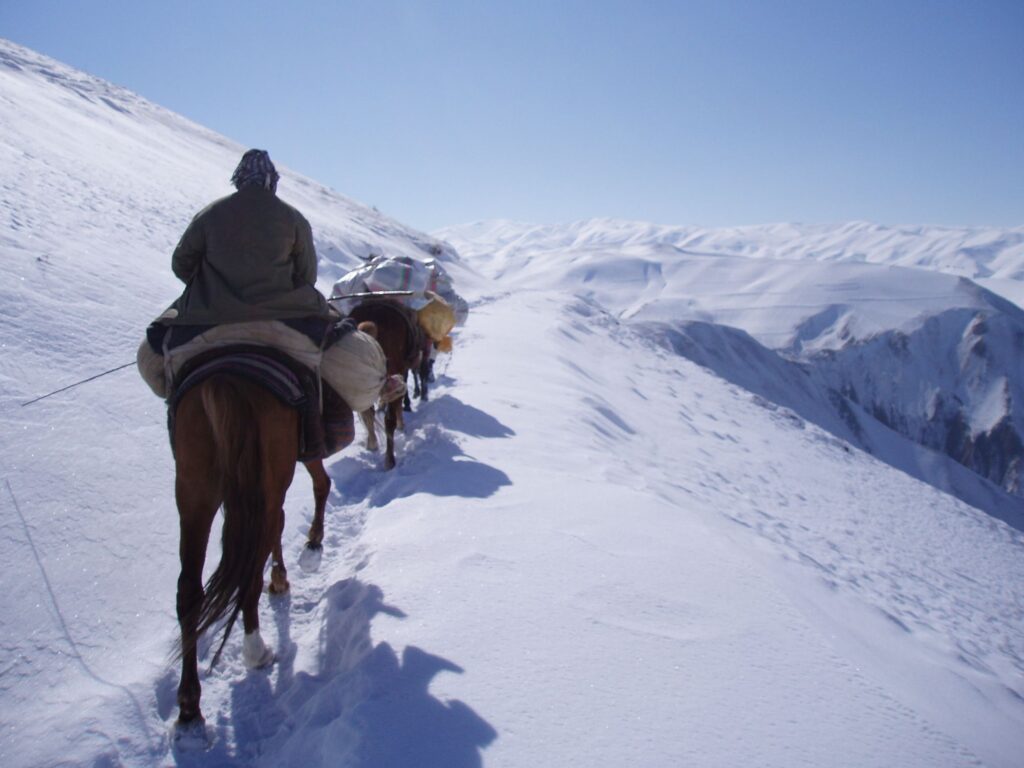
Afghanistan is one of the most geographically challenging countries in the world. Remote mountain villages, vast desert plains, and provinces where roads are unpaved or barely passable — these are not obstacles to this work. They are the reason for it.
1,009
Days traveling in Afghanistan’s provinces
586
Healthcare facilities visited
36,685
Healthcare providers and patients reached
1,134
Afghan doctors trained
61,305
People fed
All 34 provinces.
1,009 days in the field.
Over 21 years of sustained outreach, the team at Cure Hospital in Kabul has built something that cannot be created quickly: a trusted referral network spanning every province in the country. Doctors, midwives, nurses, and health workers in communities far from Kabul know the hospital and trust it.
They know who to call. They know where to send a mother whose labor is dangerously complicated, or a child whose condition is beyond what local facilities can treat.
That network is not incidental. It is one of the most consequential things this work has built.
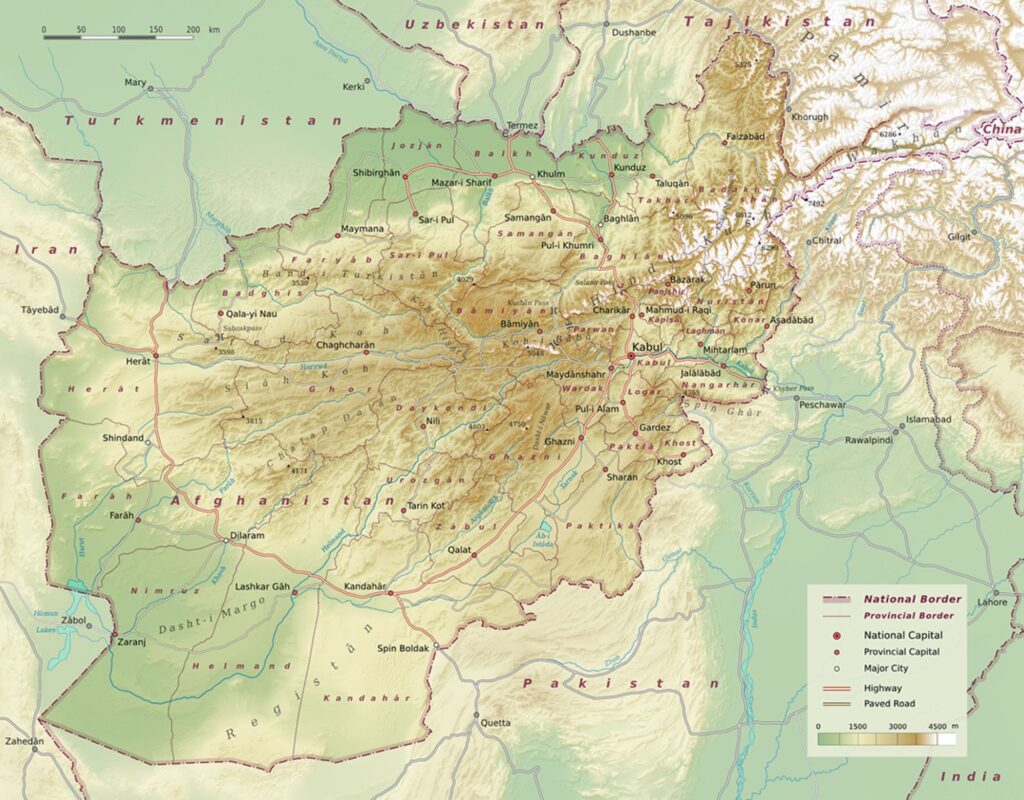
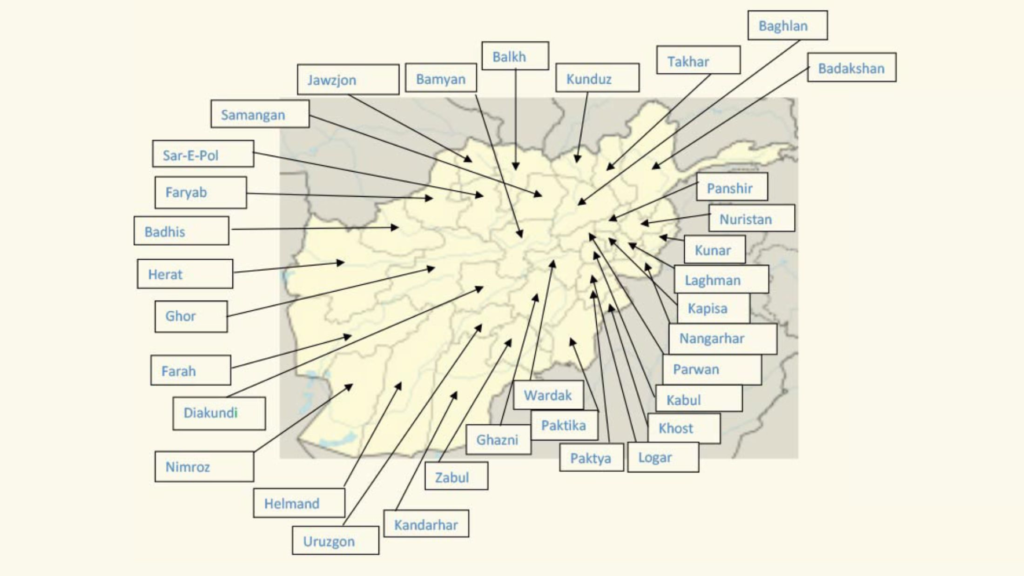
The map below of Afghanistan’s provinces tells part of the story: a record of where the team has traveled, province by province, across more than two decades of outreach. For women and children in Afghanistan’s most remote regions, distance has always been the first barrier to care. This is how it gets crossed.
How patients reach the hospital
For many patients, the journey to Cure Hospital in Kabul is long. It can mean traveling across mountain passes, through unfamiliar cities, or by any means available. For families in remote provinces, the cost of that journey is a real and serious obstacle.
That is why patients whose care needs require coming to the hospital receive discount vouchers for treatment.
When they arrive in Kabul, the full resources of a skilled surgical team are waiting — specialized surgeons, dedicated neonatal care, a labor and delivery unit, and decades of clinical experience working alongside Afghan colleagues who have made this hospital their life’s work.
The hospital does not turn patients away based on ability to pay.

Why the referral network matters
Specialized surgical care for women and children is not available in most of Afghanistan. Outside of Kabul and a few larger cities, there are almost no hospitals equipped to handle complicated deliveries, pediatric surgeries, or the fistula repairs that restore dignity and health to women who have endured years of suffering.
That gap does not close without trust. A midwife in a remote district only sends her most vulnerable patients to Kabul if she trusts what awaits them there. A district health worker only makes the referral call if he knows someone on the other end of the line.
Twenty years of consistent, respectful presence across all 34 provinces has built that trust. Relationships formed during medical camps, crisis responses, and outreach trips have grown into a living professional network — one that ensures women and children who need specialized care can actually reach it.
THIS IS WHAT A REFERRAL NETWORK LOOKS LIKE IN AFGHANISTAN:
Steady, painstaking, built on trust and presence over years rather than months. It is one of the reasons care continues to reach the country’s most vulnerable women and children — and one of the reasons this work has endured.
Free medical camps and crisis response
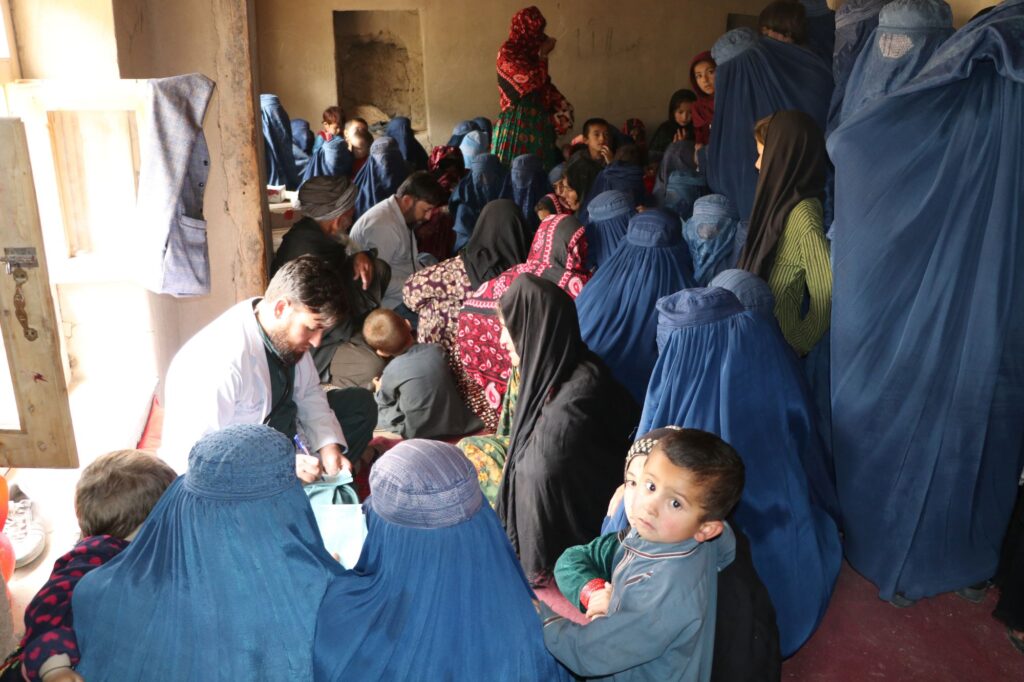
The team does not wait for patients to find the hospital. Year after year, they travel throughout Afghanistan to bring care directly to communities with limited or no access. Mobile medical camps, free clinics, and crisis deployments bring skilled clinicians to the places that need them most — including disaster zones where organized medical response is scarce.
When the team is on the ground in a remote village, they are not only treating patients. They are building relationships with local health workers and community leaders that make the next referral more likely, and the next one after that.
کوه هم بالای خود راه دارد
که غر لوړ دی په سر یی لار وی