صبر تلخ است ولی بر شیرین دارد.
صبر تریخ دی ولی میوه یی خوږه وي
BUILDING CARE THAT LASTS
The most important measure of this work is not how much has been given to Afghanistan. It is what Afghanistan’s own healthcare professionals are building — and what they will carry forward long after any outside partner has moved on.
That has always been the point.
Afghan led. For Afghanistan.
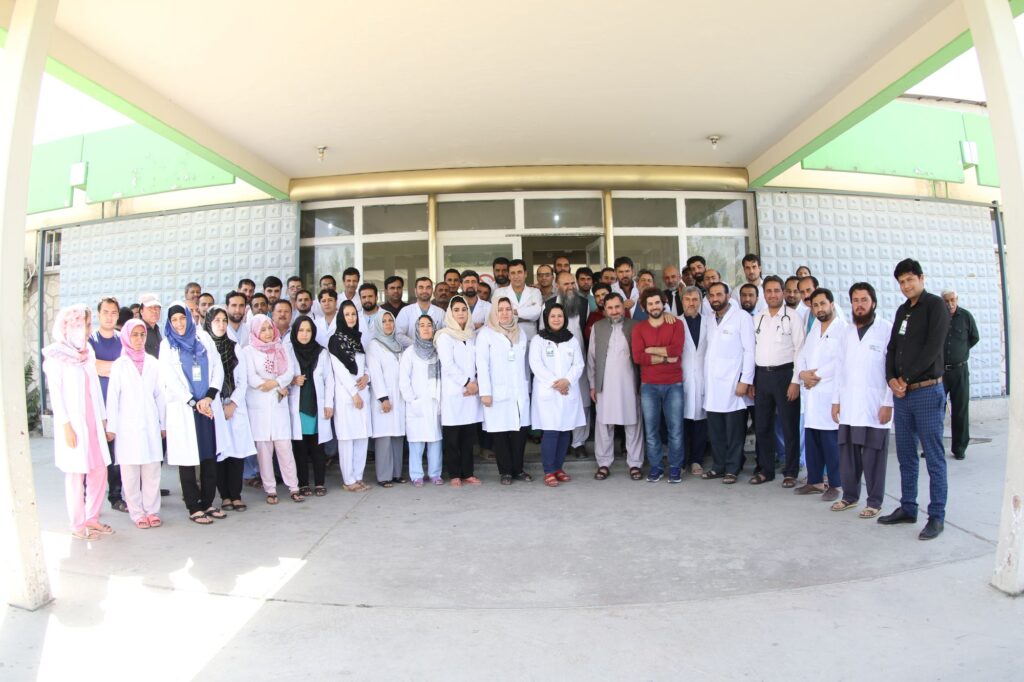
From the beginning of this project, the vision was a hospital run by Afghans, for Afghans. Today, that vision is operational reality. The Kabul hospital is staffed and led by a team of 323 Afghan professionals — doctors, nurses, midwives, surgeons, administrators, and many others who have built careers and expertise within these walls.
Every full-time staff member is Afghan. The operating rooms, the wards, the daily rhythms of patient care — all of it belongs to this team, and has for years.
Be Team International’s role is to provide the funding and the financial accountability that keeps the hospital open and the team resourced. The work itself is theirs.
That stability runs deep. Of the 323 Afghan staff, 224 — 76 percent — have worked at the hospital for more than five years. Nearly half for more than ten. Teams built on respect, accountability, and genuine commitment don’t happen by accident. They are the foundation of care that endures.
The network behind the team
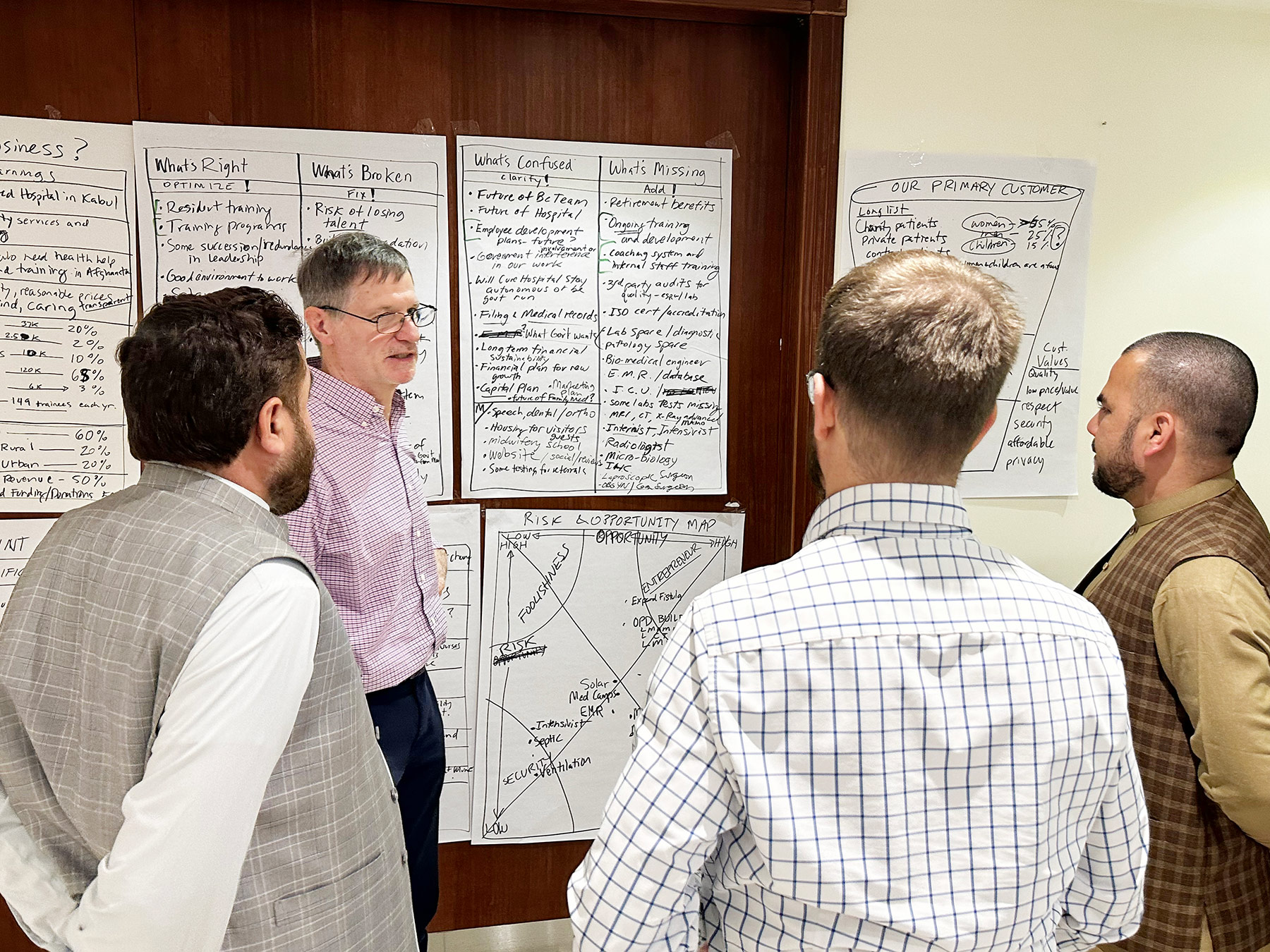
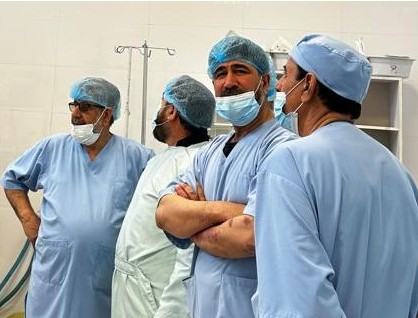
Partnerships with organizations around the world play a key role in keeping the Afghan hospital team at the leading edge of their fields. Through telemedicine connections and a wide professional network, the team can consult on complex cases with specialists elsewhere, bringing world-class expertise to bear on the hardest problems without patients ever having to leave Afghanistan.
These relationships also open pathways for ongoing training, meaning the knowledge flowing into this hospital does not stop at its walls. It compounds, case by case, year by year, in the hands of the Afghan professionals who are here for the long term.
Skill that compounds
Two long-term grant partnerships make some of the most critical surgical work at the hospital possible — and BTI is deeply grateful for both.
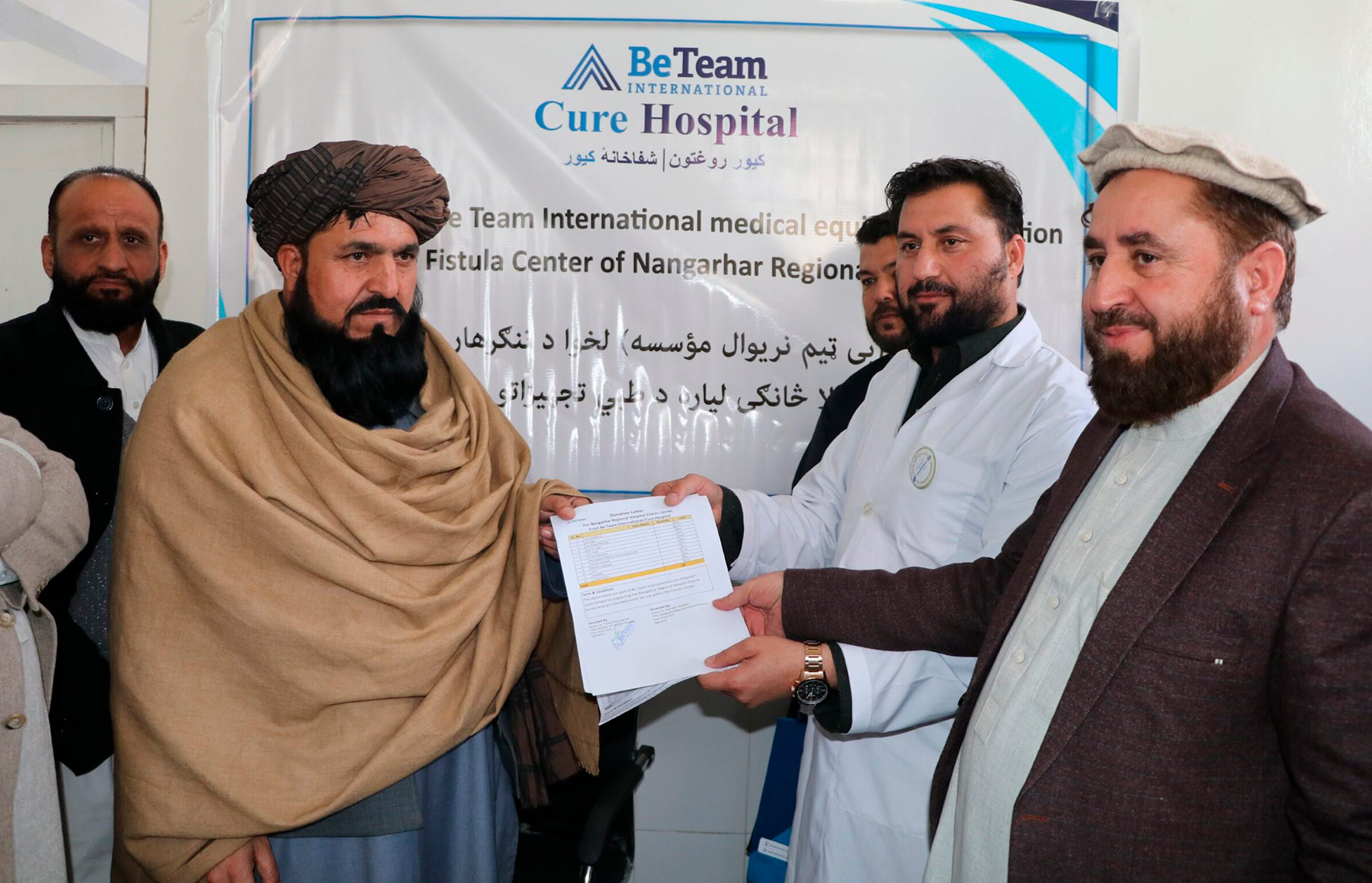
Since 2006, Smile Train has funded free cleft surgery more than 15,224 patients at our hospital, along with ongoing training for Afghan plastic surgeons. Since 2009, the Fistula Foundation has funded more than 2,440 fistula surgeries, free of charge to patients who would otherwise have no access to this care. The full story of both partnerships is on our Critical Care page.
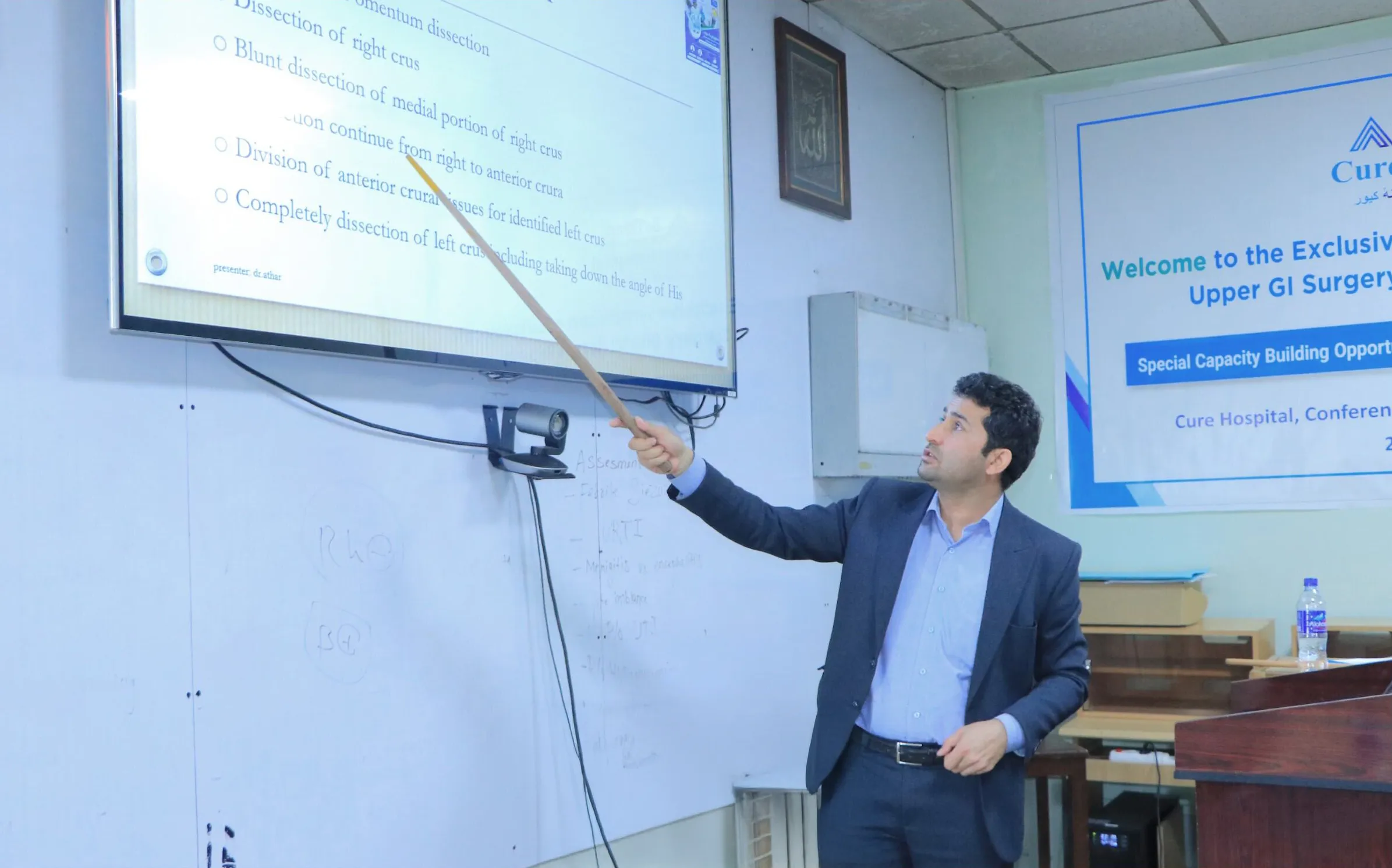
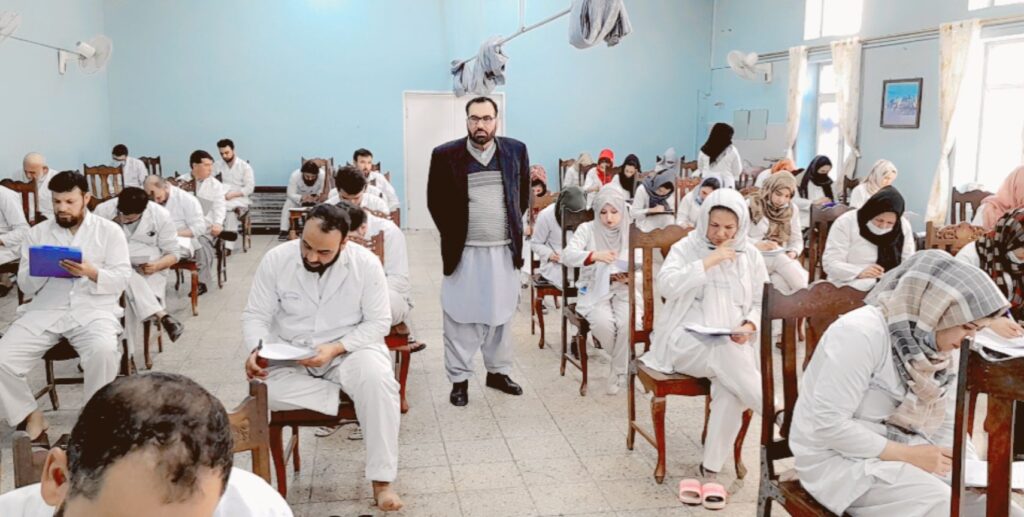
Our hospital in Kabul is regarded not just as a well-run hospital but as an institution committed to training health professionals in all aspects of high-quality care, treatment, and prevention.
Training and sharing knowledge multiplies impact — it strengthens skills that last for years, not just for the one professional who receives it, but for the colleagues they will mentor next and every patient in their care.
Residency and Fellowship Training:
- 139 graduates of Ministry of Public Health-approved 18- to 36-month residencies and fellowships
- 1,412 medical student 1-month clinical clerkships
- 1,579 professionals completing 1-month continuing education clerkships
When new becomes standard
Introducing new procedures and technologies in a resource-limited setting requires care. When it is done poorly, patients suffer. When it is done well, it changes what an entire nation’s healthcare system is capable of.
In 2005, no one in Afghanistan was performing laparoscopic surgery. Patients who needed abdominal procedures faced more pain, longer recoveries, and greater risk. The project established Afghanistan’s first laparoscopic training program, and within a few years, the results were significant enough to be published in the Annals of Surgery.
Since then, the team has performed thousands of laparoscopic procedures. Afghan surgeons trained at this hospital have gone on to establish laparoscopy in other hospitals across the country.
That is what sustainable impact looks like — not a program that runs as long as outside funding holds, but a skill that has taken root, practiced, taught, and spread by Afghan surgeons themselves.
Ready for what Afghanistan needs next
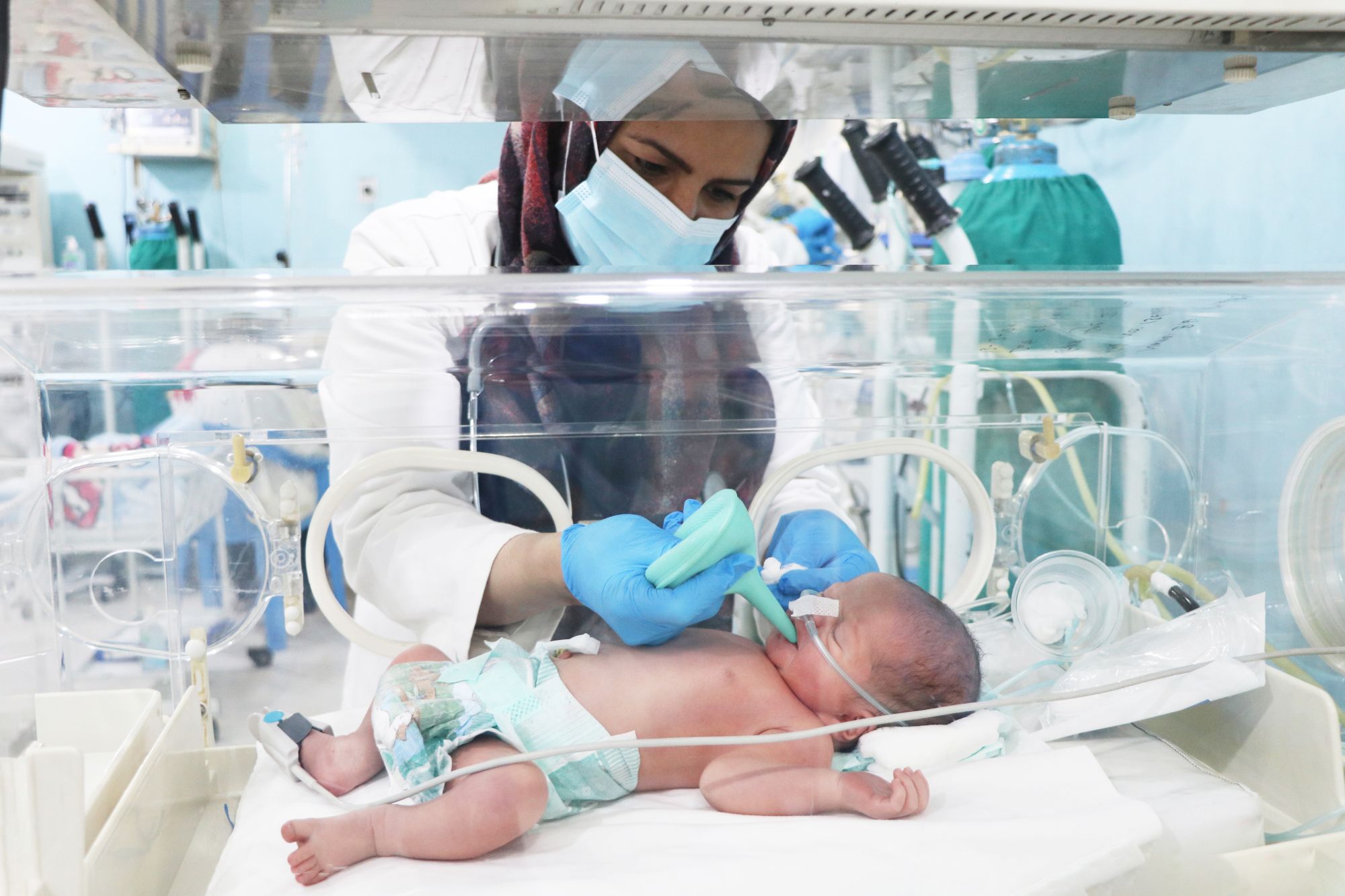
Sustainability is not just about funding. It is about a team that is trained for the full range of what a hospital in this setting must face: daily patient care, complex surgeries, emergency deployments to remote provinces, and response to disasters when they strike.
When the Afghan hospital team travels to reach communities far from Kabul to set up free medical camps, or when they respond to crises like the Kunar earthquake, they carry with them everything they know. Their preparation is the resource. There are no specialists down the hall in those moments, no second opinion nearby. There is what each member of the team has been given the opportunity to learn and practice.
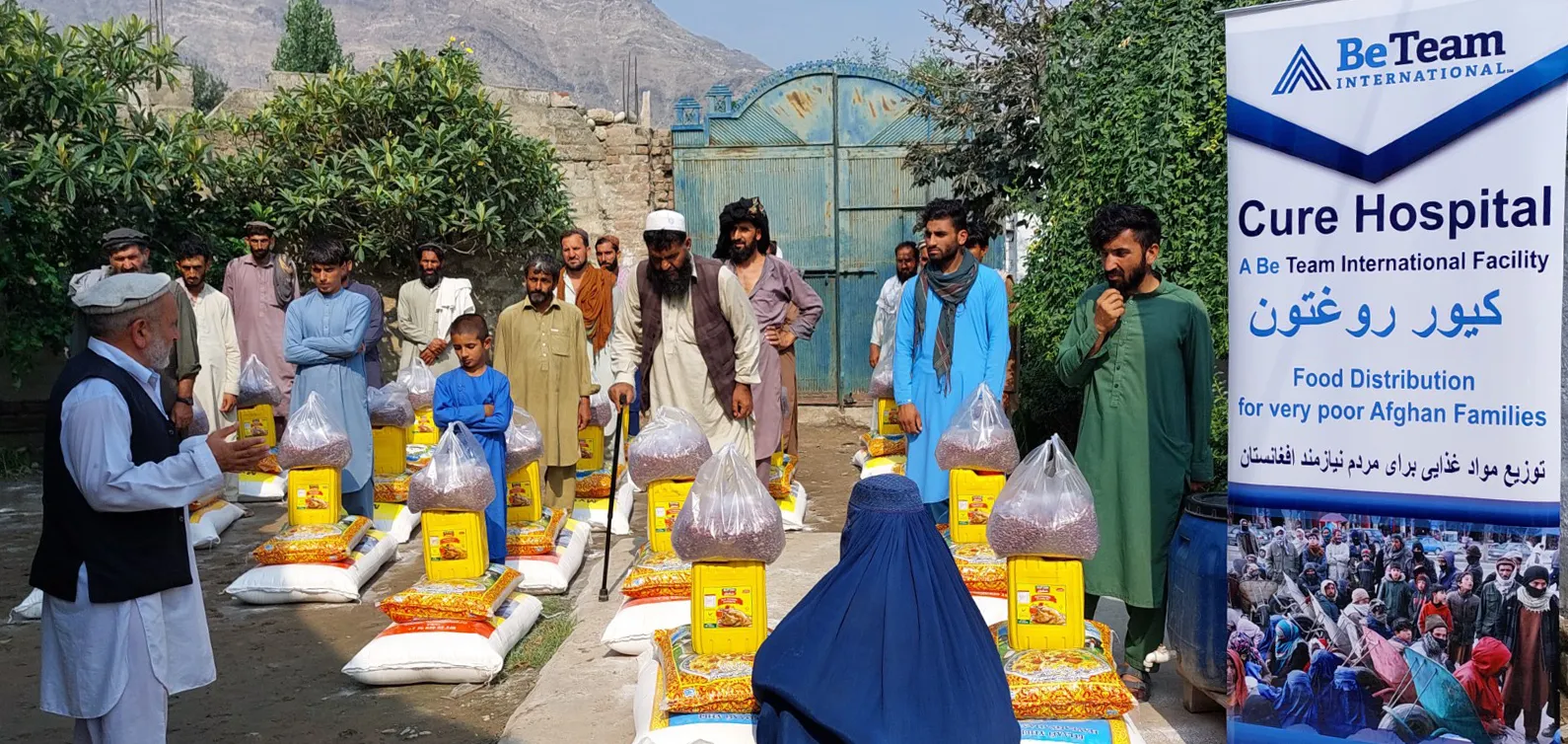
Year after year, that team has reached people throughout Afghanistan. Outreach efforts started in 2007 to spread awareness of the hospital’s free obstetric fistula treatment program and have since expanded to include food distribution, free mobile health clinics, and health education fairs for patients and frontline healthcare workers. Patients who need care receive discount vouchers for treatment at the hospital.
The numbers behind that reach:
- All 34 of Afghanistan’s provinces reached
- 1,009 days traveling in Afghanistan’s provinces
- 586 different healthcare facilities visited
- 1,134 educational seminars and mobile clinic evaluations
- 36,685 community healthcare workers and patients served
- 61,305 people provided a three-month supply of nutrition
That depth of preparation is what makes this work sustainable in the truest sense.
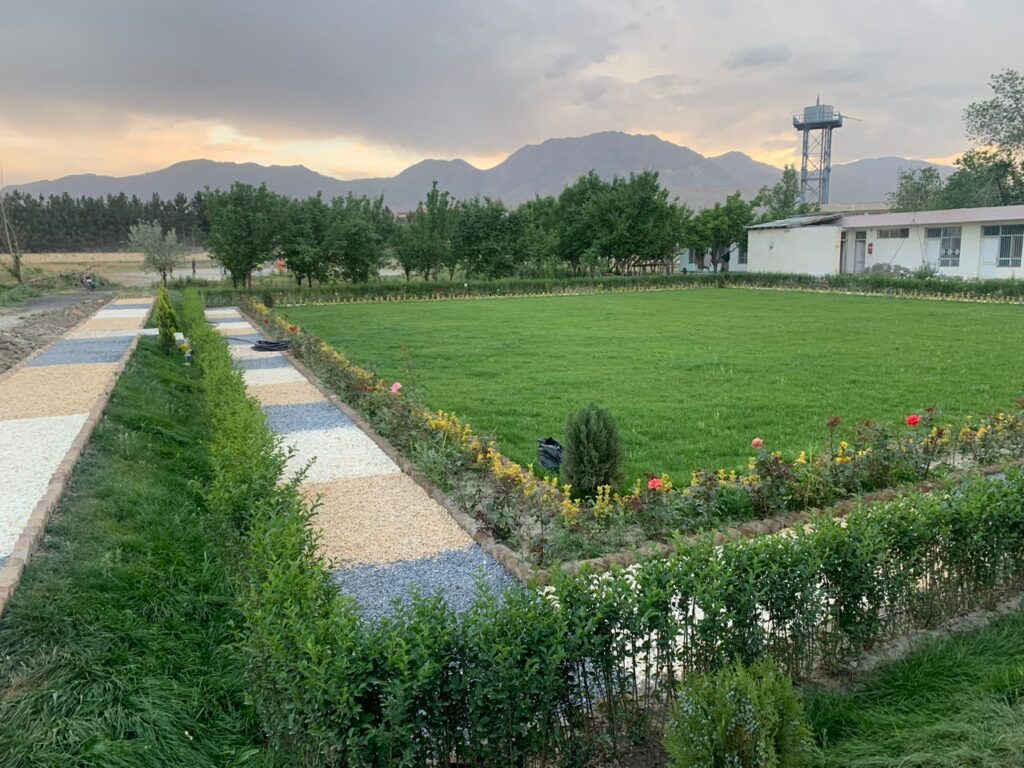
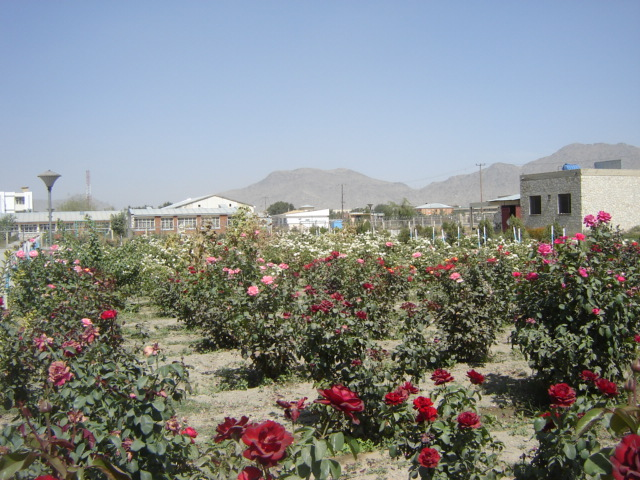
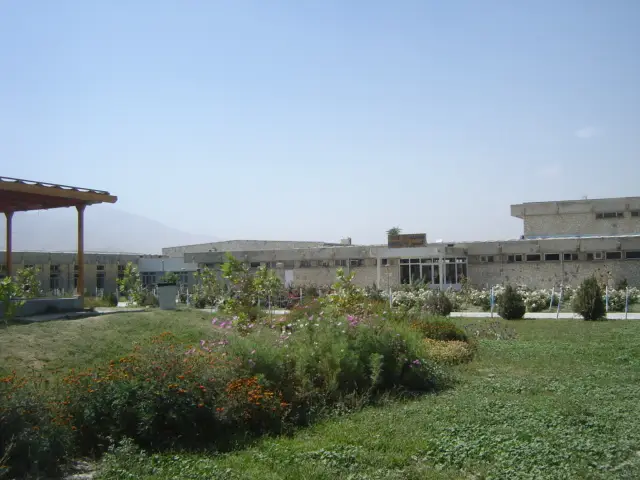
A place of healing
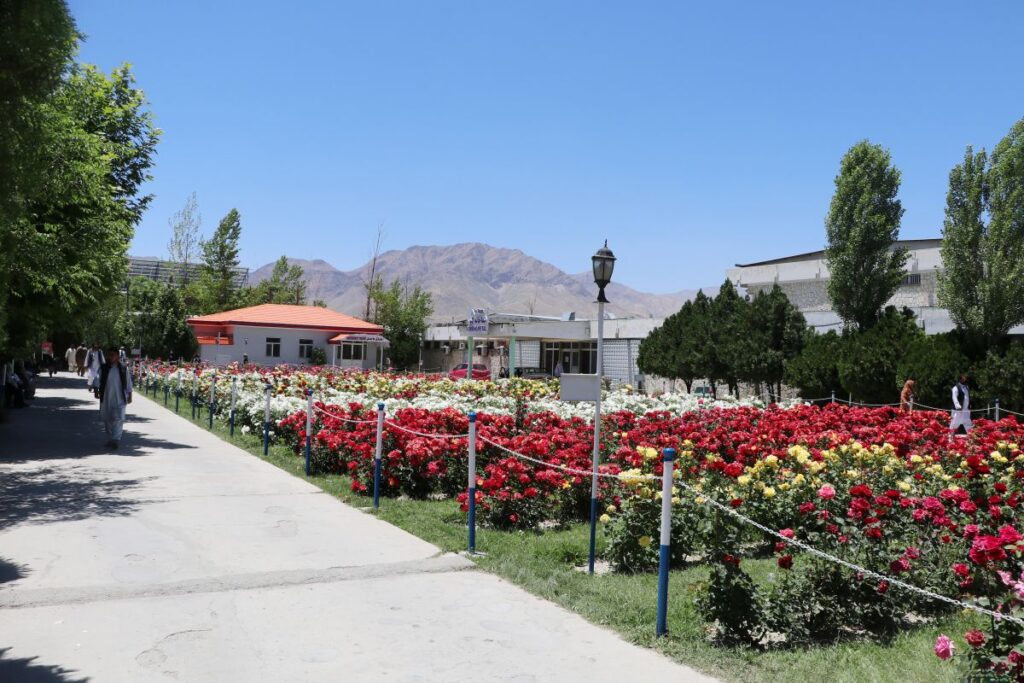
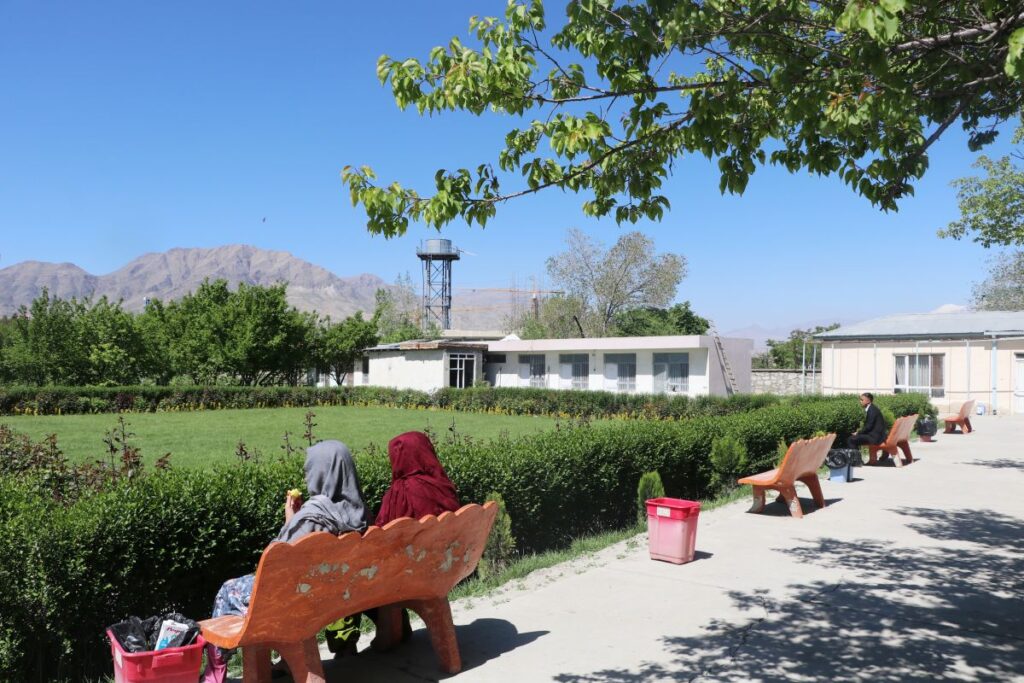
The hospital grounds weren’t always like this. For years, they carried the marks of conflict. Today, they’re filled with blooming roses, fruit trees, and green space — a place where patients and their families can rest, breathe, and find a moment of peace in the middle of hard circumstances.
The impact so far
Two decades of medical care for Afghanistan’s most vulnerable women, children, and families.
54,801
Babies delivered
1,093,313
Outpatient visits
124,775
Hospital admissions
2,440
Fistula repair surgeries
139
Afghan doctors trained
53,788
Operations
15,224
Cleft deformities repaired