ت زیر قدم های مادر است
جنت د مور تر پښو لاندې د
CARING FOR AFGHAN MOTHERS
Afghanistan has one of the highest maternal mortality rates in the world. For many women, a safe birth depends on one thing: whether trained care is within reach when labor begins.
At our hospital in Kabul, it is.
When it matters most
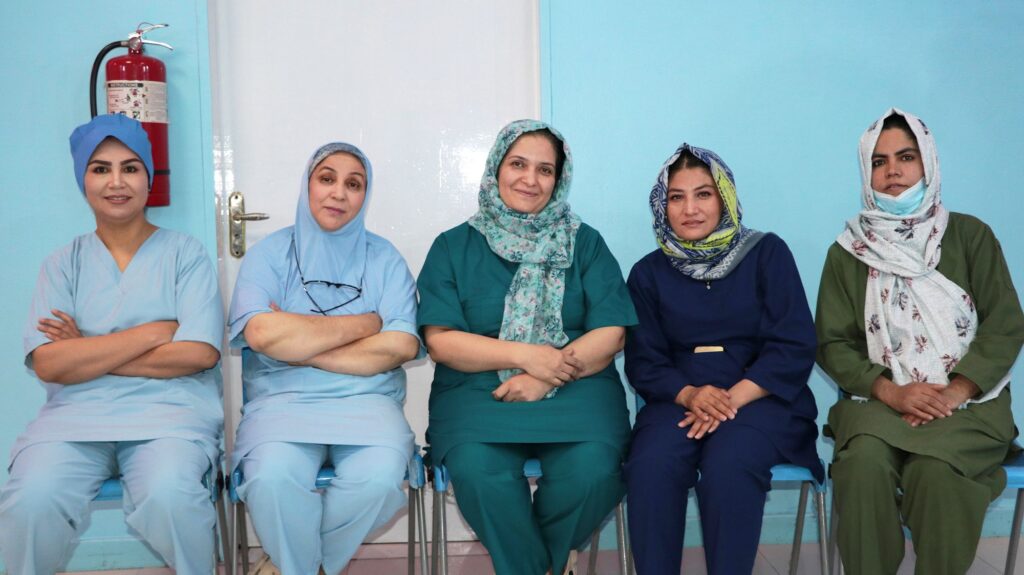
Our midwifery team has welcomed 54,801 babies into the world — safely, with care, with dignity. Behind each of those births is a mother who made it to our hospital, trusting that the team would be ready. Every time, our job is to make sure we are.
For women in Kabul and for those who travel to reach us from distant provinces, the hospital’s maternity ward is often the only place where that level of skilled, attentive care exists.
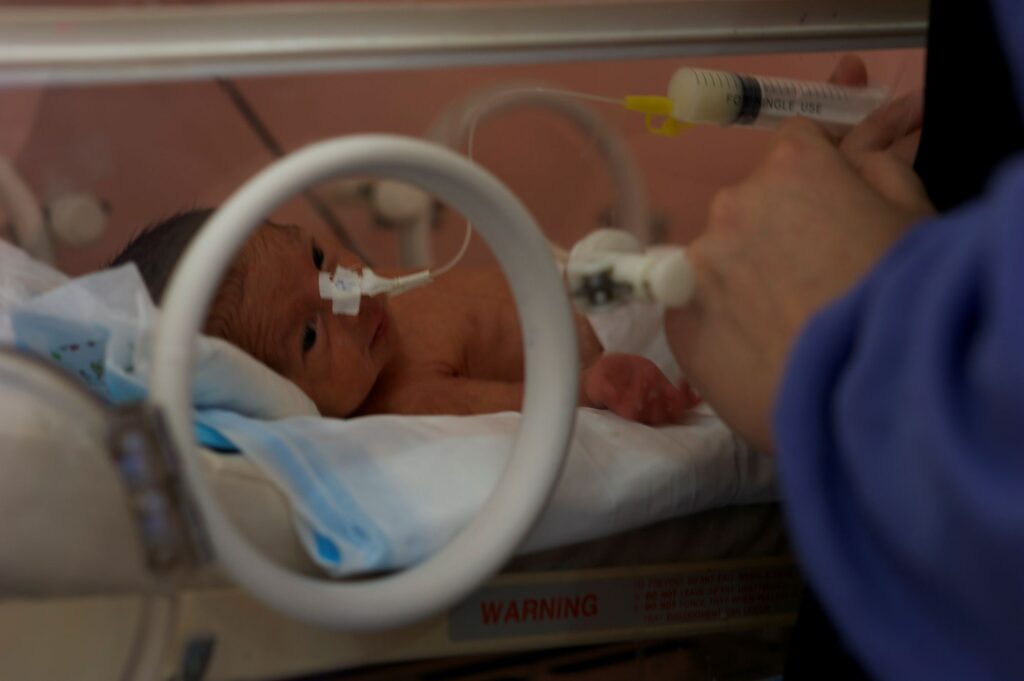
Our team handles everything from routine deliveries to high-risk pregnancies, complications in labor, and the critical first hours of a newborn’s life — including a dedicated neonatal unit for premature and critically ill infants.
Safe births
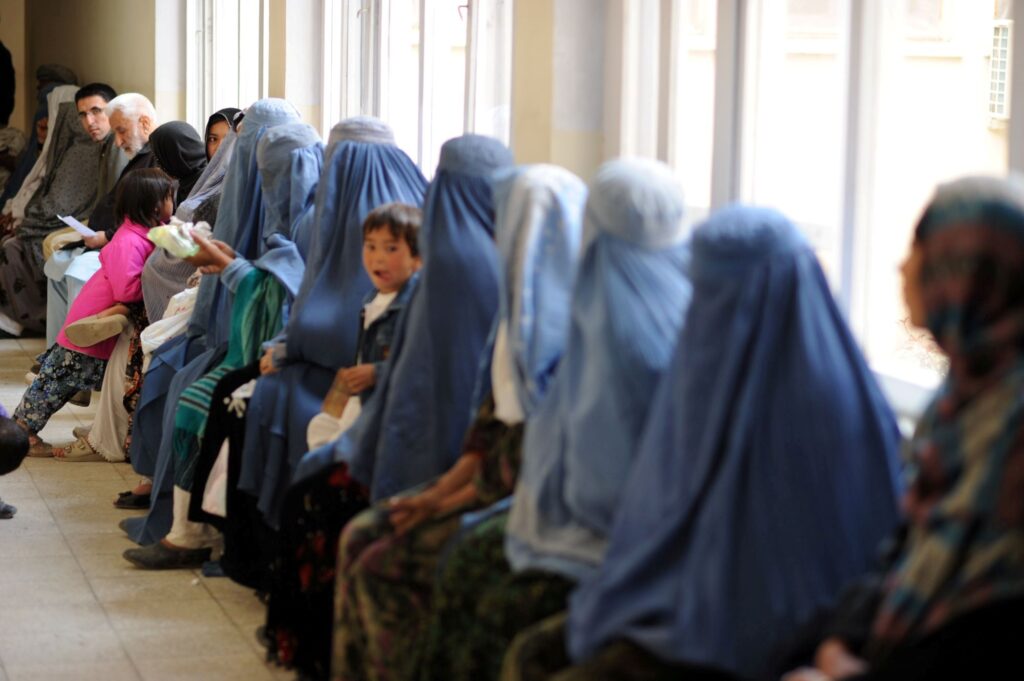
Afghanistan has for many years been described as one of the worst places in the world to give birth. For an Afghan mother of any age, delivering her baby can be a life or death event. Because only half of all births are attended by a skilled medical professional, Afghanistan’s maternal mortality rate is one of the world’s highest.
Twenty five years ago, the United Nations Population Fund (UNFPA) reported that an Afghan woman died of pregnancy-related causes every 30 minutes in Afghanistan.
More recently (2023 and 2025), UNFPA reported some improvement: a woman dies every two hours. The situation remains highly critical due to shortages in Afghan health professionals, lack of rural infrastructure and other restrictions.
Throughout Afghanistan, many health facilities have closed caused by the end of U.S. funding. Early indications point to maternal mortality once again rising.
The work behind every birth
Safe childbirth does not happen by accident. It takes a trained midwifery team, the right supplies, clean facilities, and the kind of practiced readiness that comes from showing up day after day and staying current. 54,801 times, they were.
For the women who reach our hospital in Kabul, they are the lucky ones. And for the women our teams are able to reach through outreach across Afghanistan’s provinces, skilled care is there.
But they are not the norm. Only half of all births in Afghanistan are attended by a skilled medical professional. Half. In a country where complications in labor can turn fatal within minutes, that number represents an enormous and ongoing loss — of mothers, of newborns, of families.
Our team’s outreach across Afghanistan’s provinces sees this reality up close, in the faces of women arriving from remote villages who have already traveled farther than anyone should have to travel to deliver a baby safely.
The need is not abstract. It is present in every free medical clinic we run in remote areas and in response to disasters like earthquakes and floods. Every province we reach, every family that finds us before it is too late. And it is present, quietly, in all the ones that do not.
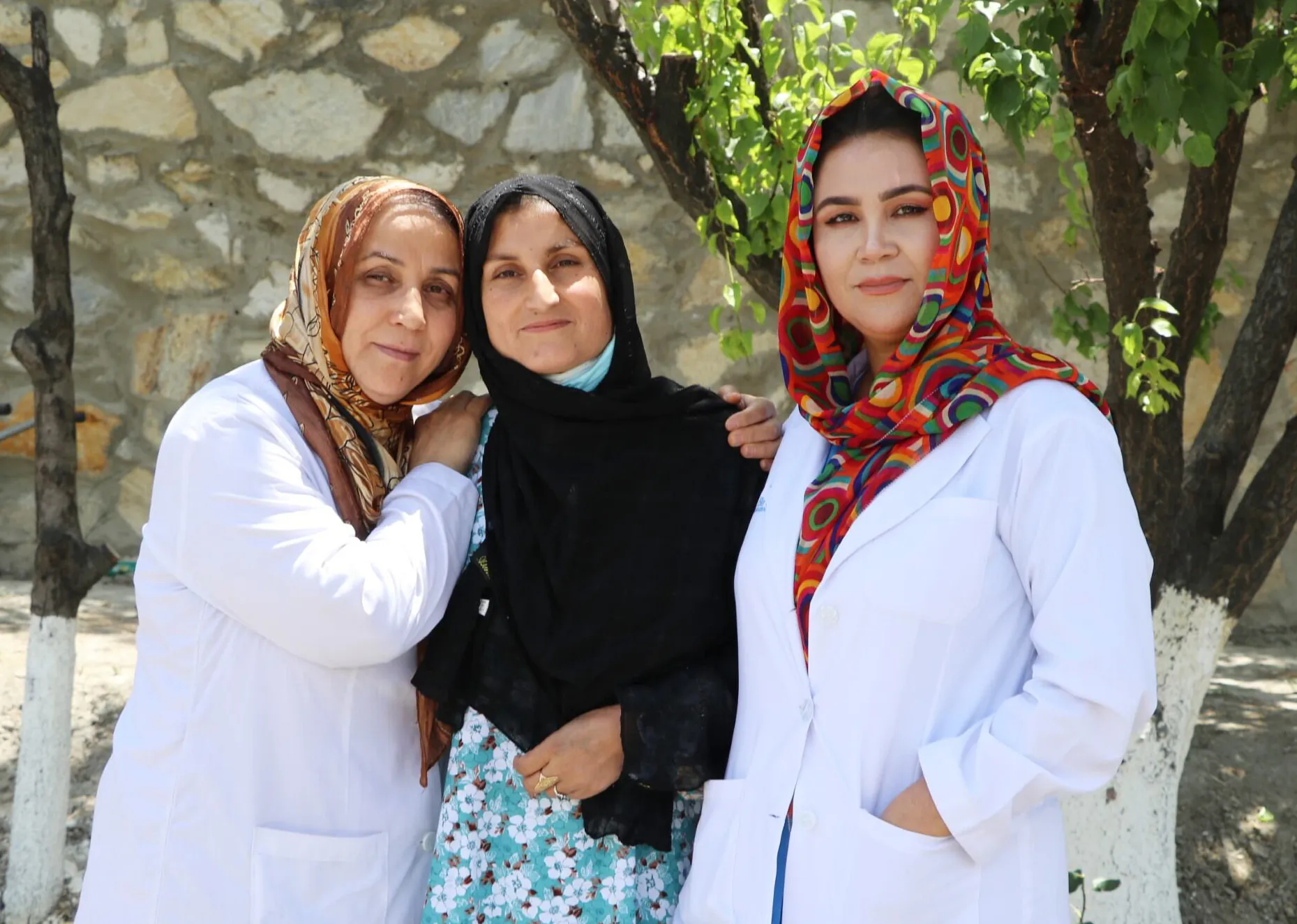
Every day our Afghan health professionals show up at our hospital and are greeted by mothers, babies and families who are counting on them. Our team understands both the depth of the need and the weight of what they’re trusted to do.
A partnership restoring health for many mothers
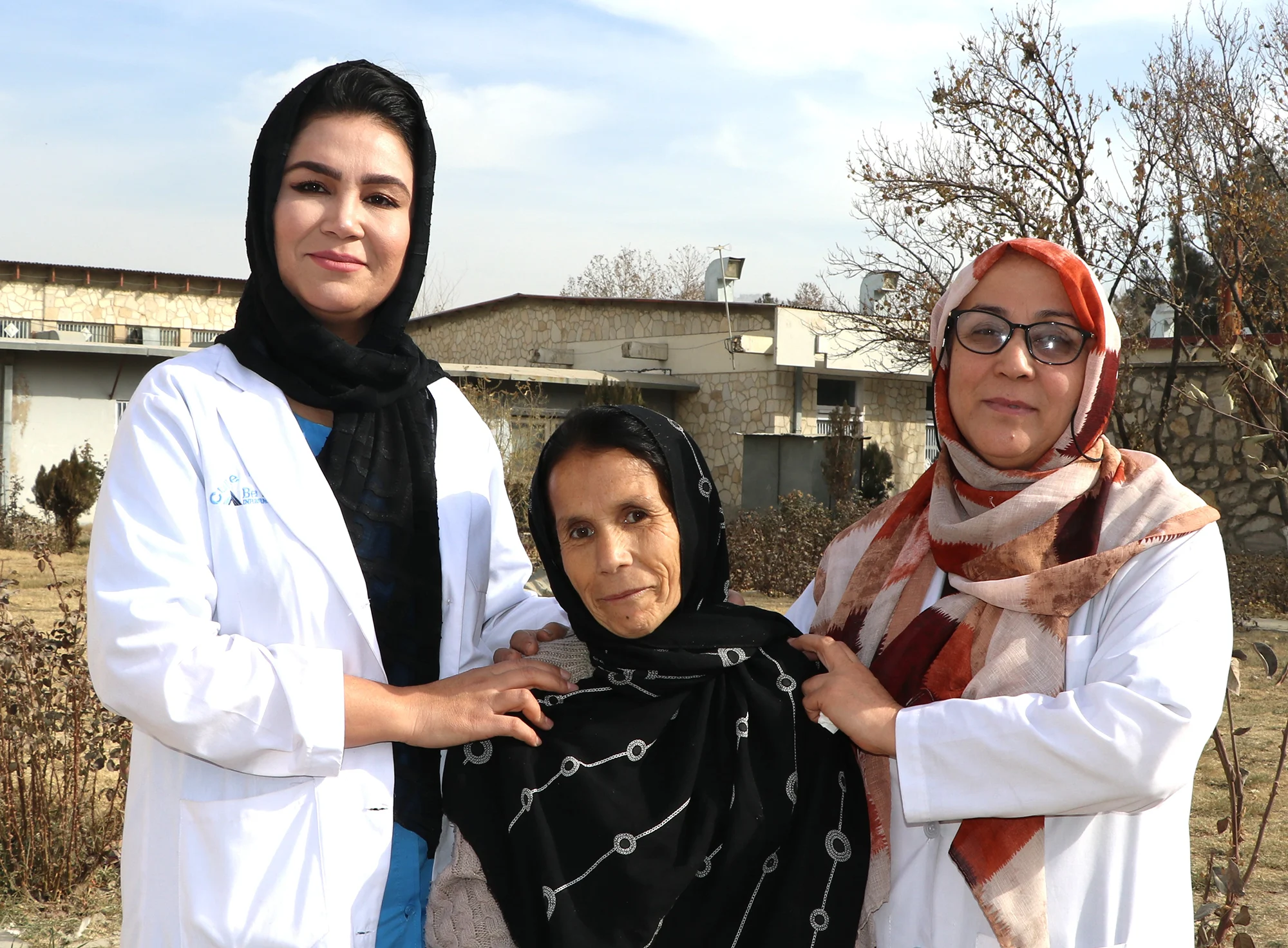
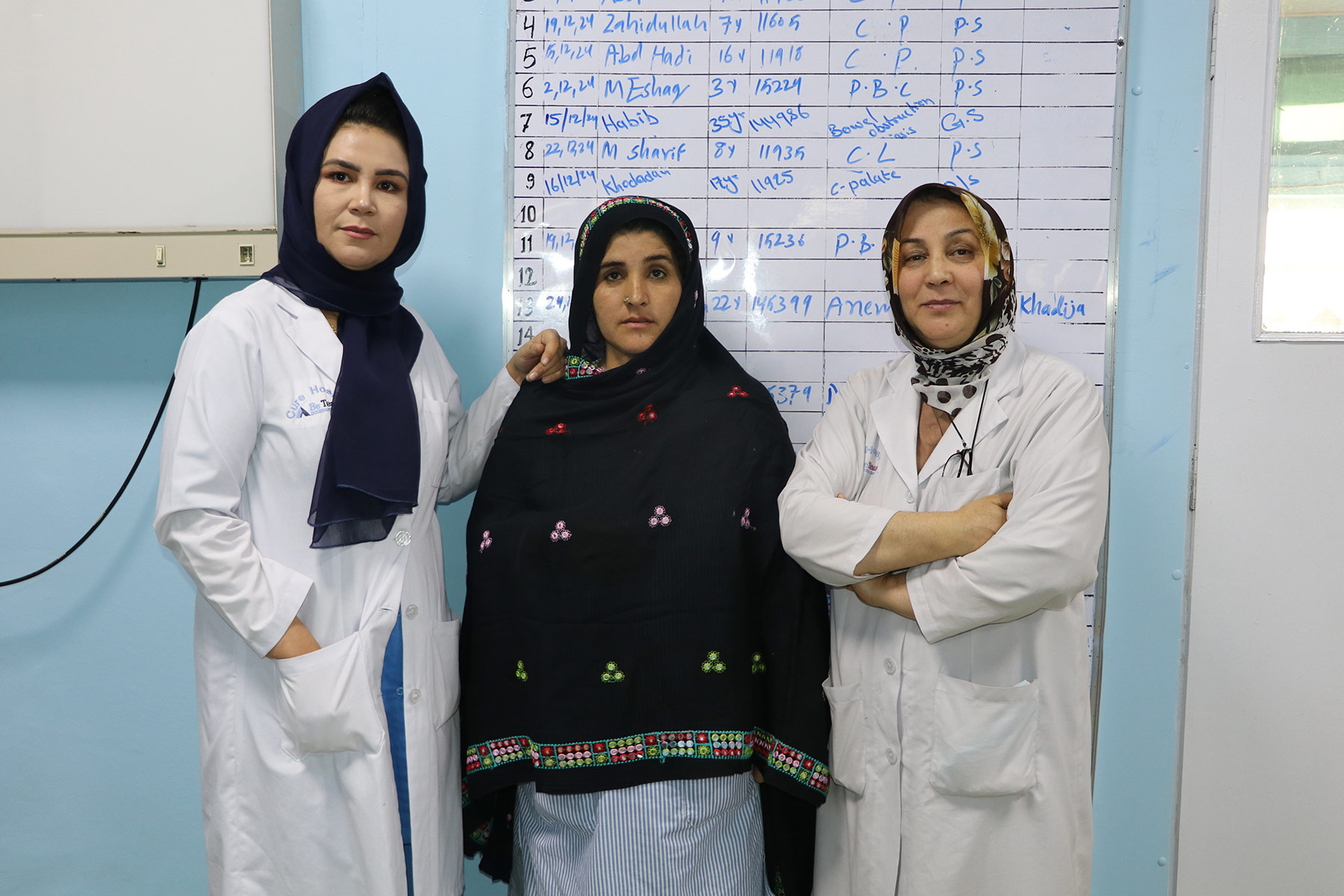
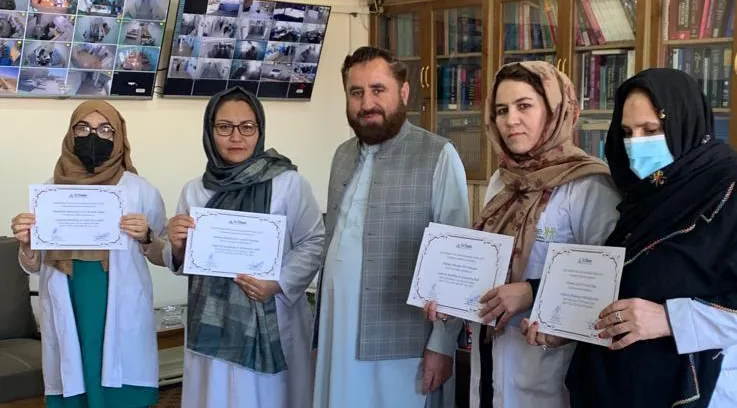
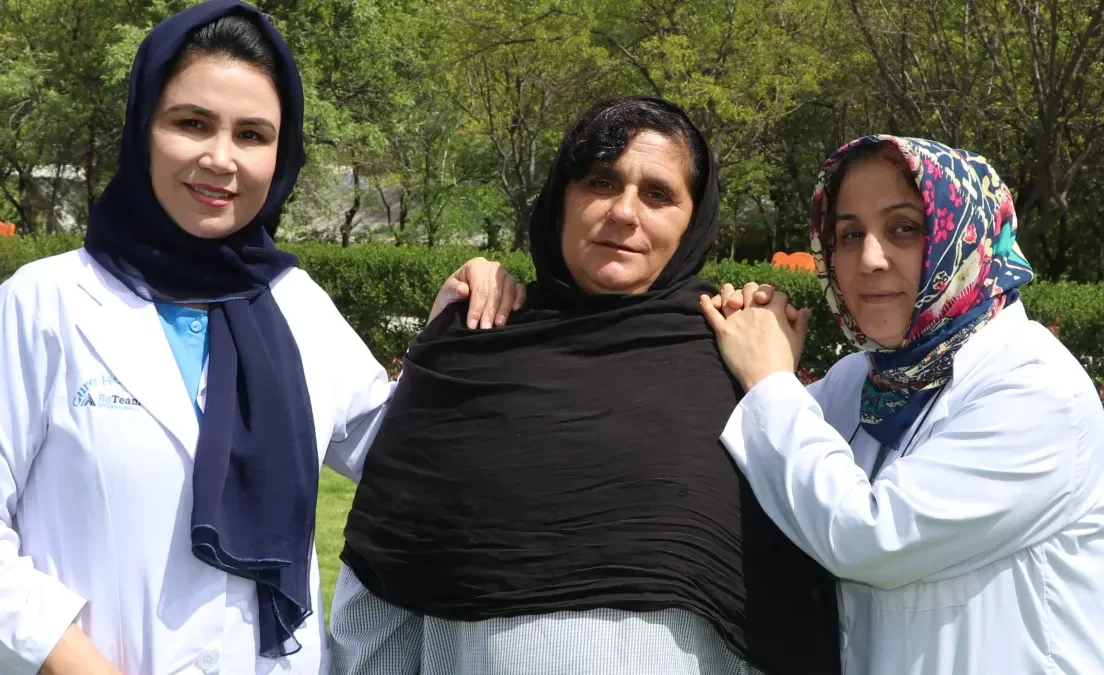
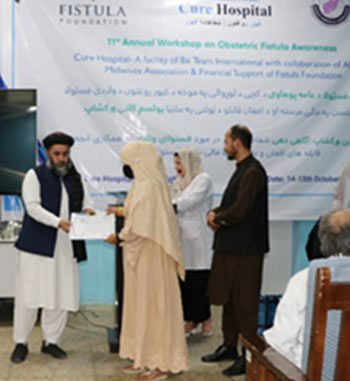
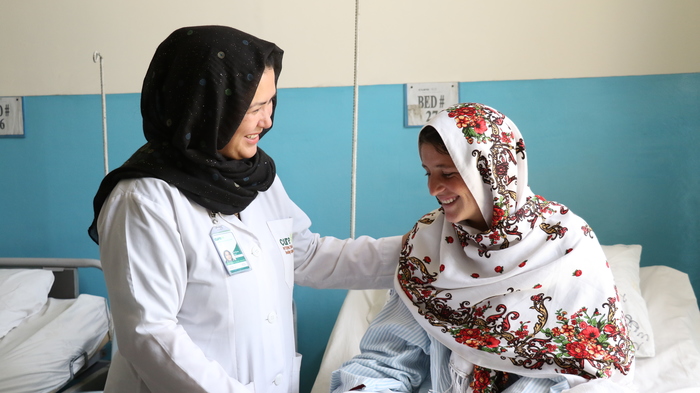
Some of the most significant work in maternal health at our hospital has been made possible through a longstanding partnership with Fistula Foundation which began in 2009. Over the years, their generosity has funded more than 2,440 free fistula repair surgeries, covered transportation costs for patients and their families traveling to Kabul, supported hospital infrastructure and staff, and brought together 70 midwives from all 34 provinces for a training workshop focused on awareness and prevention.
Obstetric fistula is a childbirth injury caused by prolonged or obstructed labor. When labor goes untreated for too long, tissue can die, creating an opening between the birth canal and the bladder or rectum.
The result is a woman who is unable to control her urine or bowels. Many women who survive a difficult labor also lose their baby. Those enduring that loss and are left with this condition, the physical reality is painful and humiliating. Surgery is the only treatment, and it requires specialized training and experience.
We are deeply grateful for Fistula Foundation’s partnership and confidence in our hospital team, dedicating their lives to mothers’ restoration and healing.
For a closer look, visit our Critical Care page.