کوه هم بالای خود راه دارد
که غر لوړ دی په سر یی لار وی
HEALING REACHES EVERY CORNER OF AFGHANISTAN
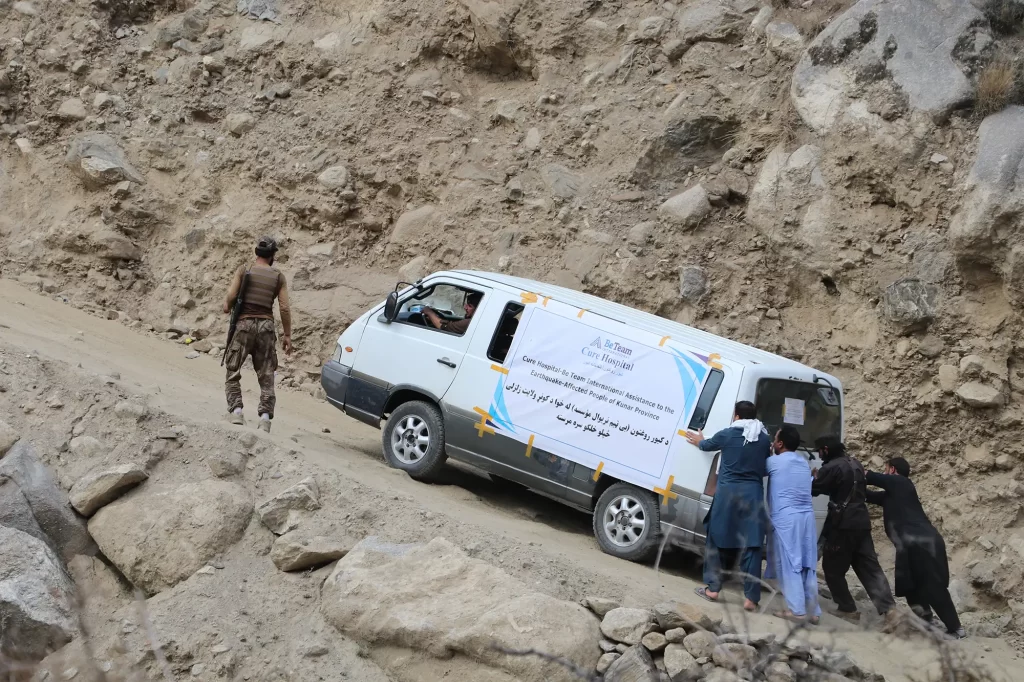
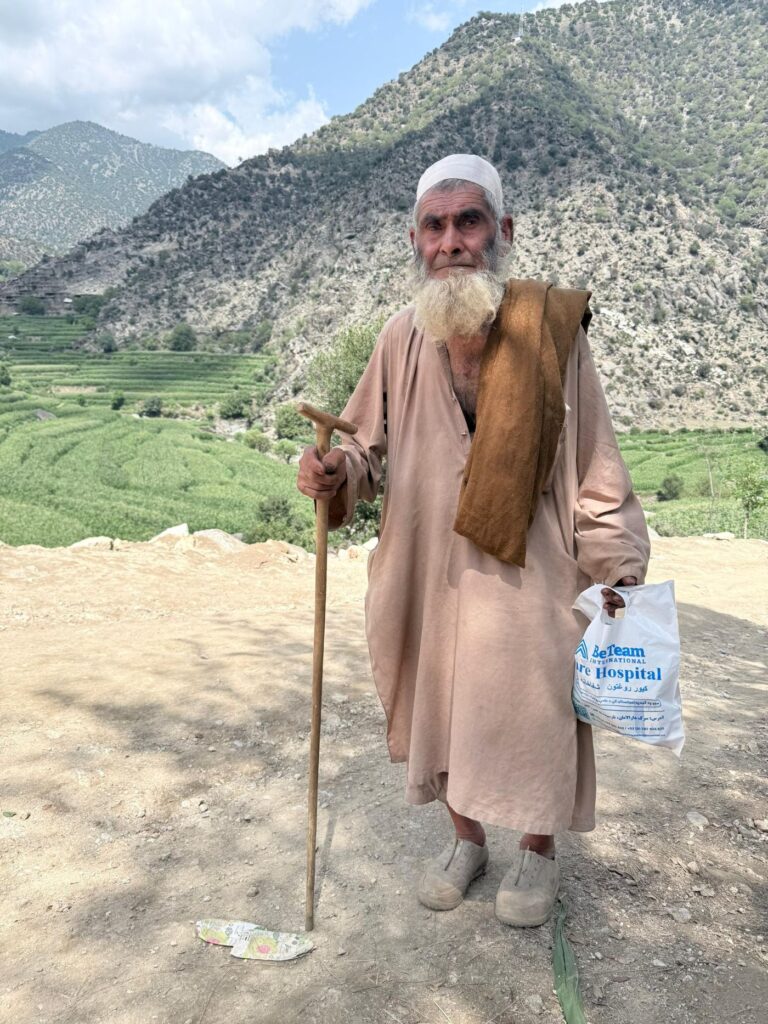
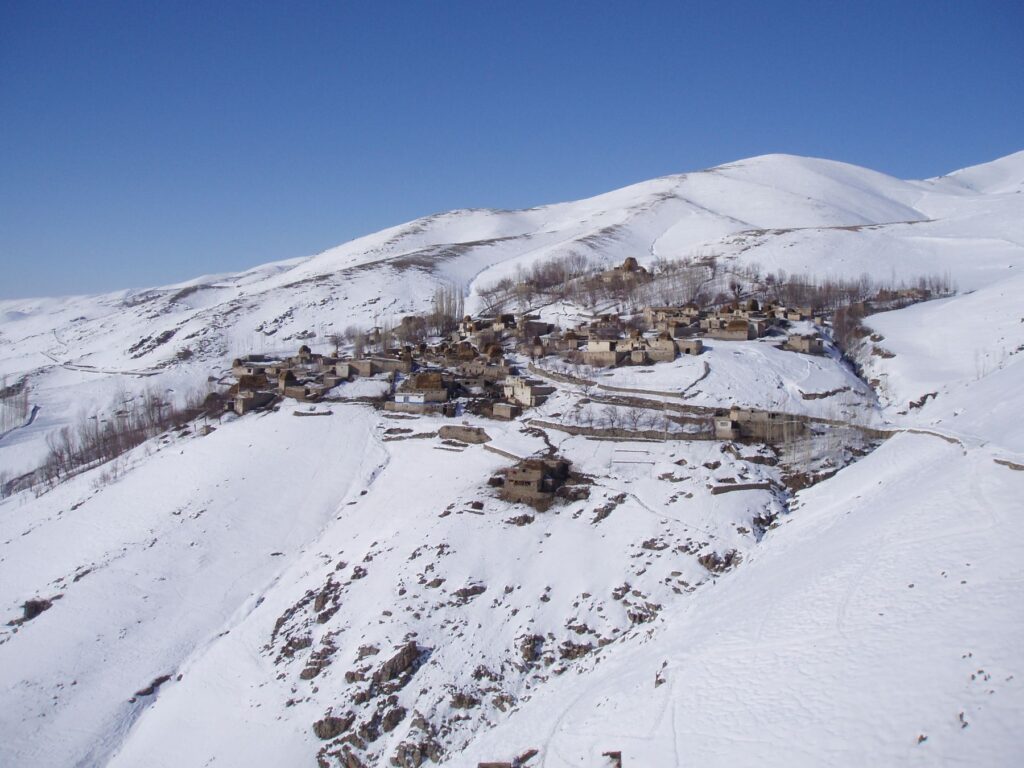
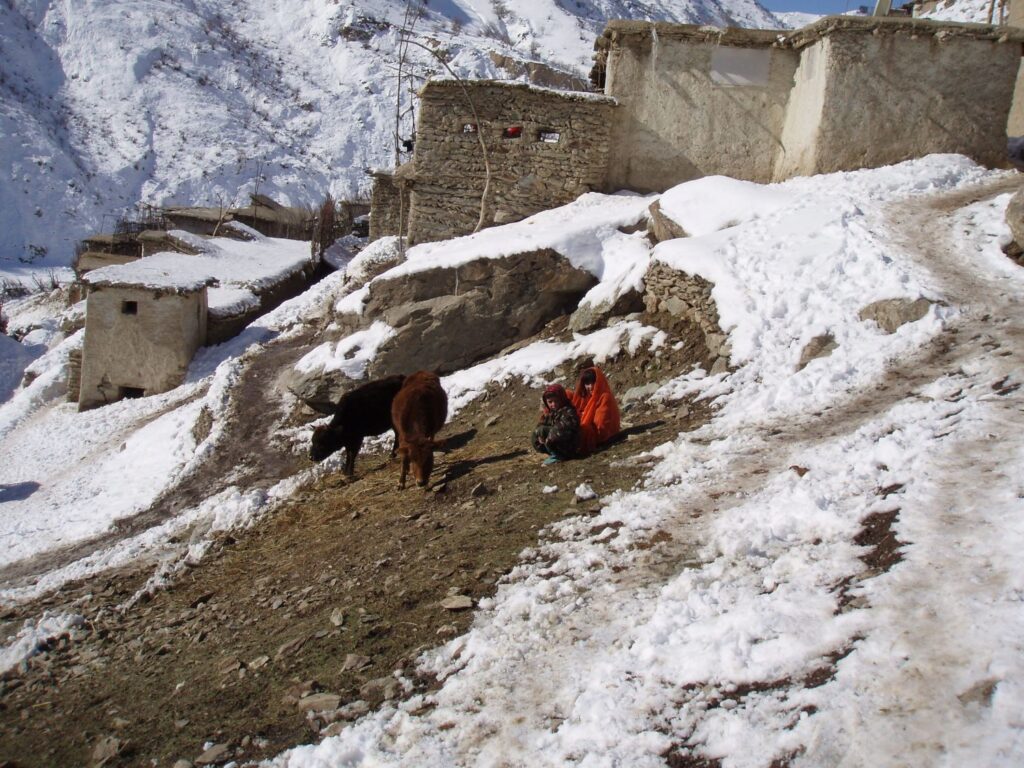
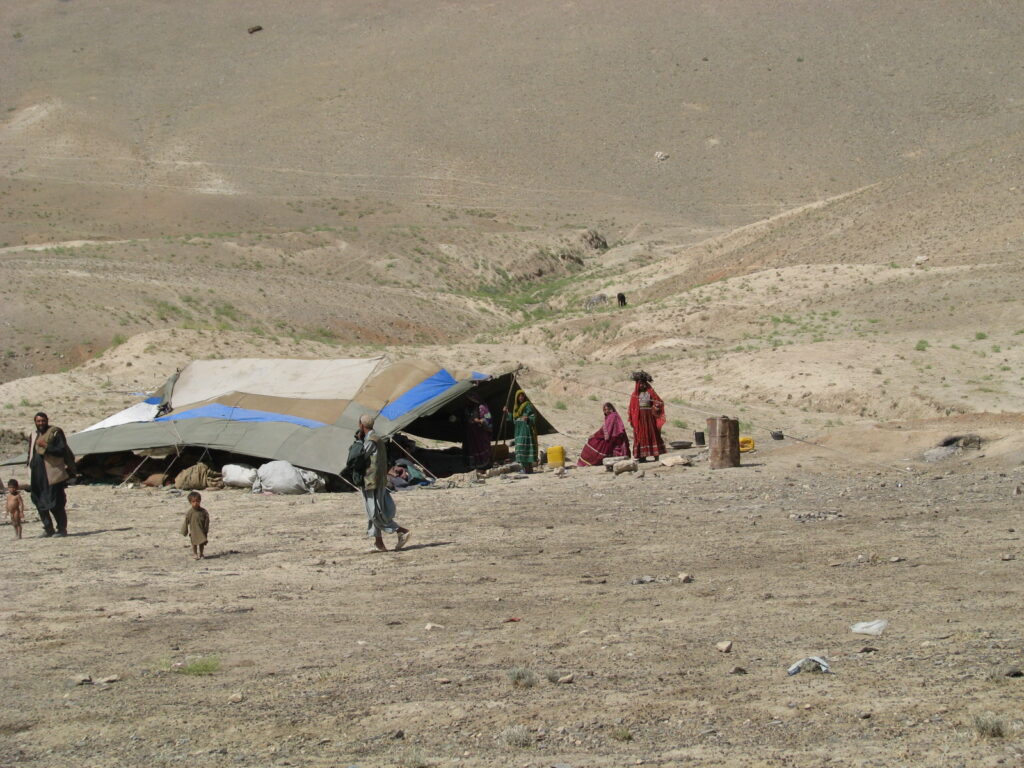
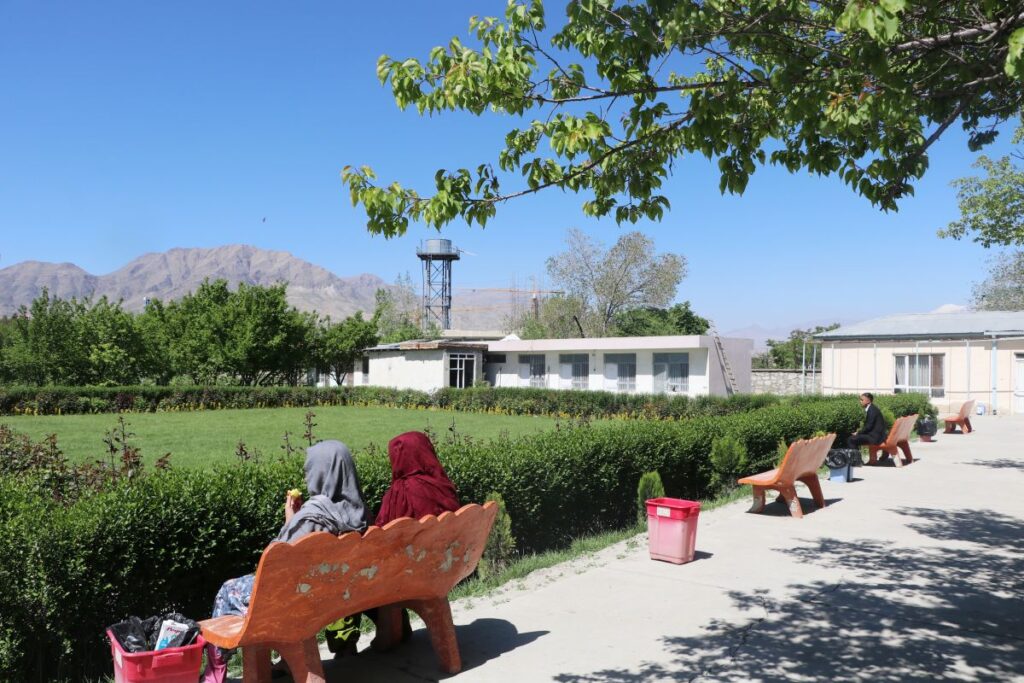
Afghanistan’s geography is one of the most unforgiving in the world: remote mountain villages, desert stretches, provinces where roads barely exist. For millions of people, distance alone can be the difference between life and death.
Our team goes anyway.
Going where the need is
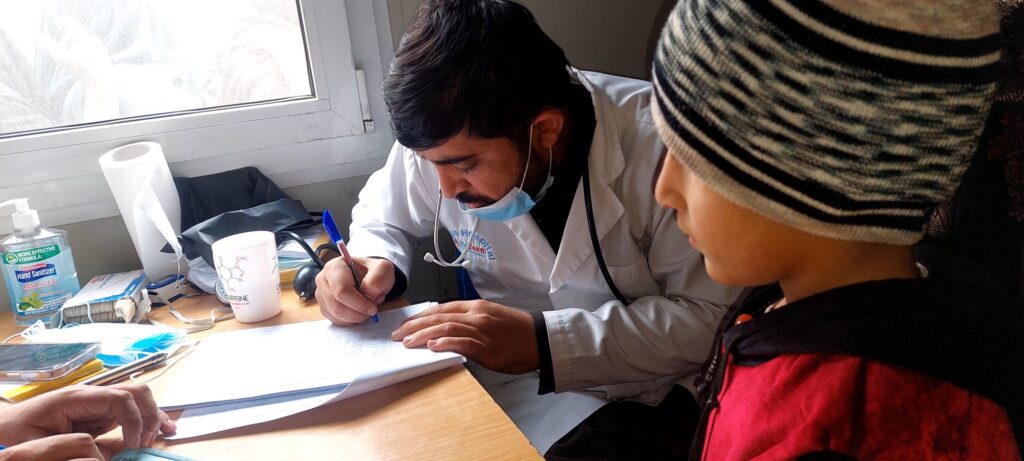
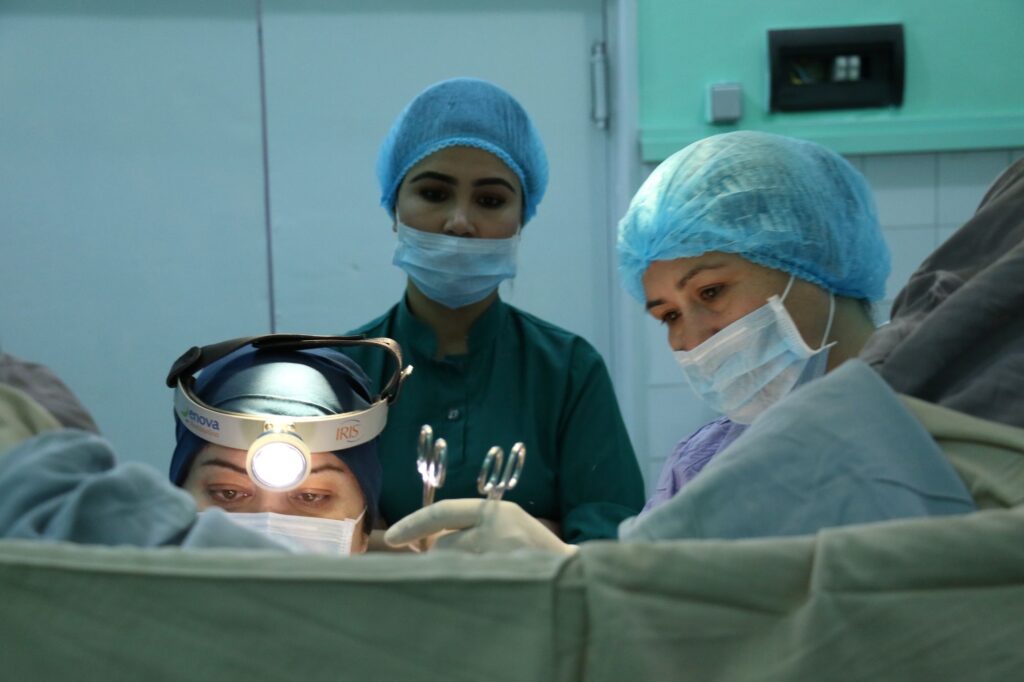
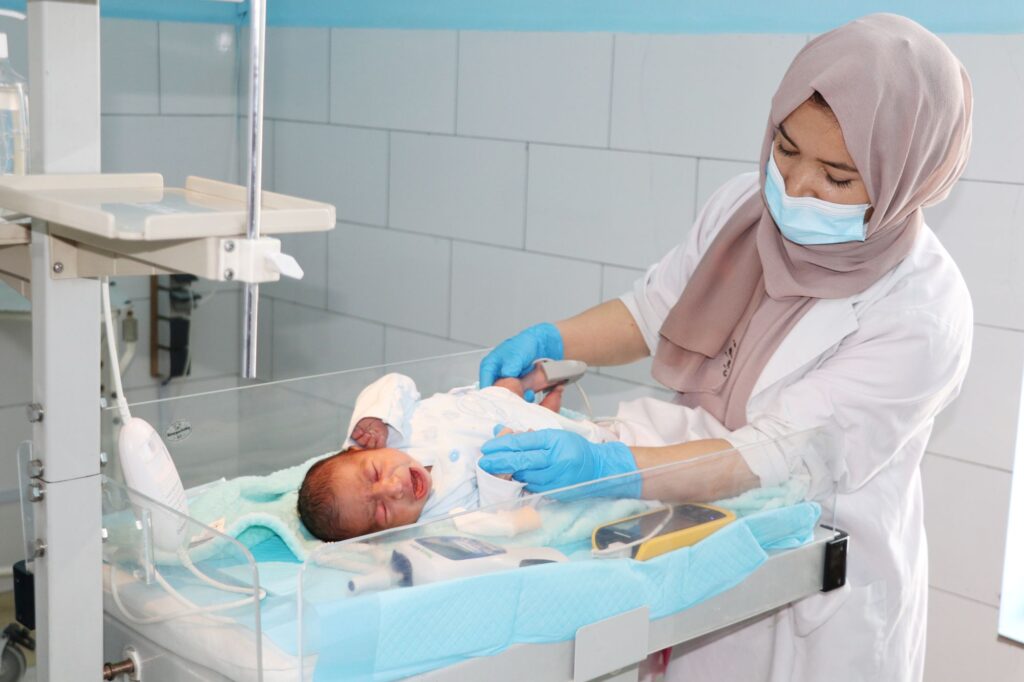
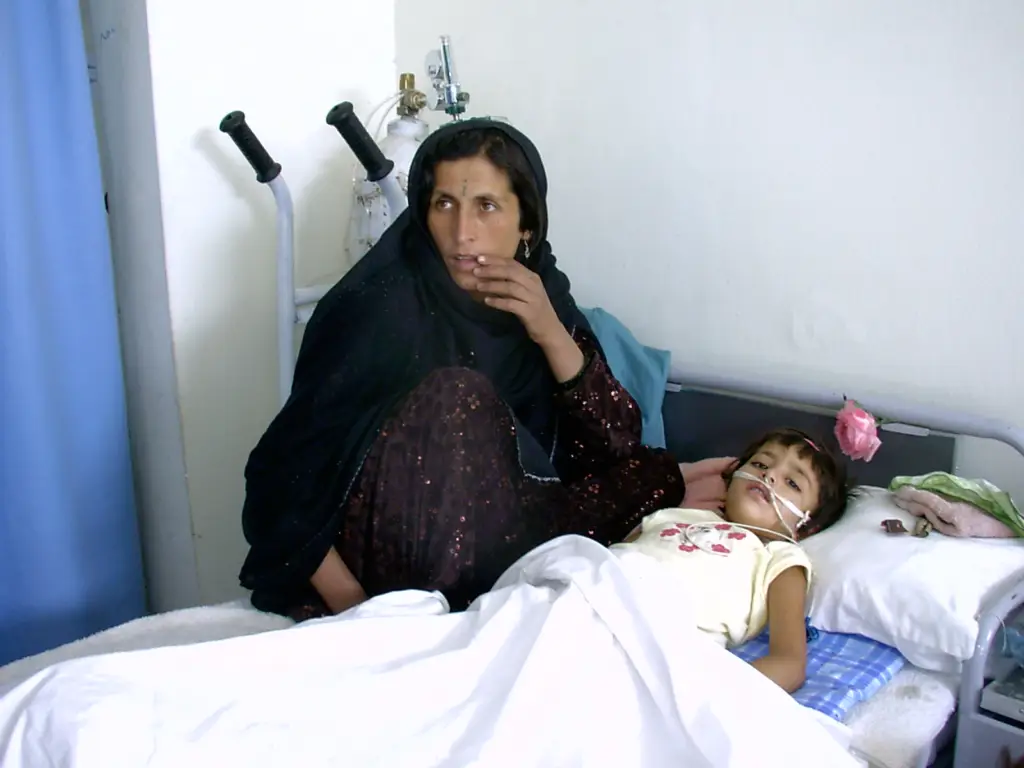
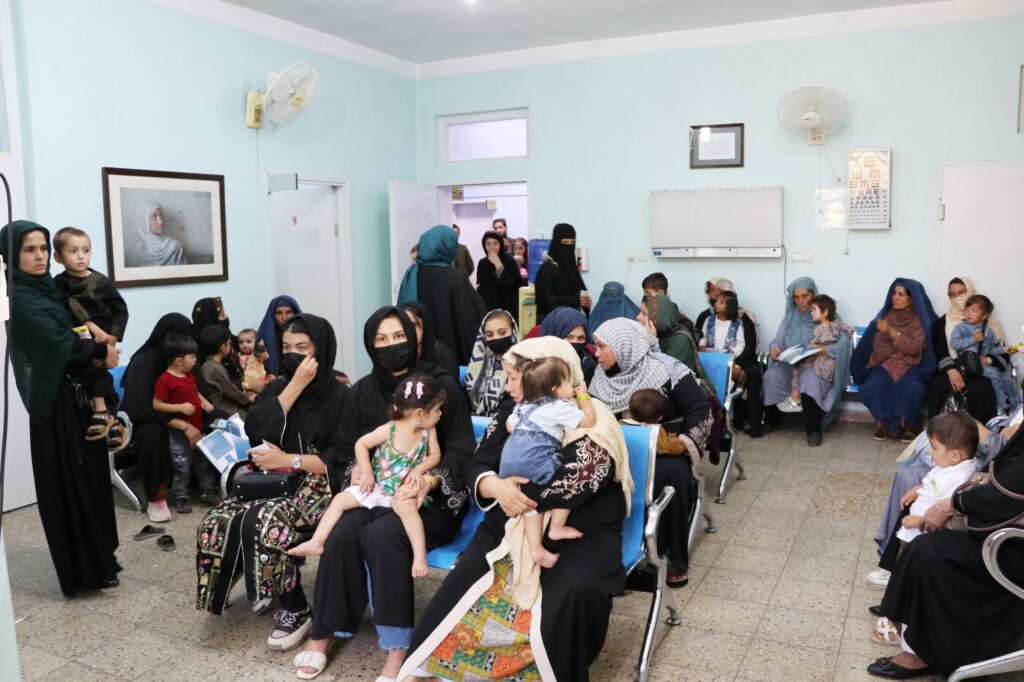
The hospital in Kabul is the center of this work — a full-service facility where the most complex surgeries happen, where specialists are available, and where patients who need extended care can stay. Over more than twenty years, the team has performed 53,788 operations and seen 1,093,313 outpatient visits, serving patients who have come from every province in Afghanistan.
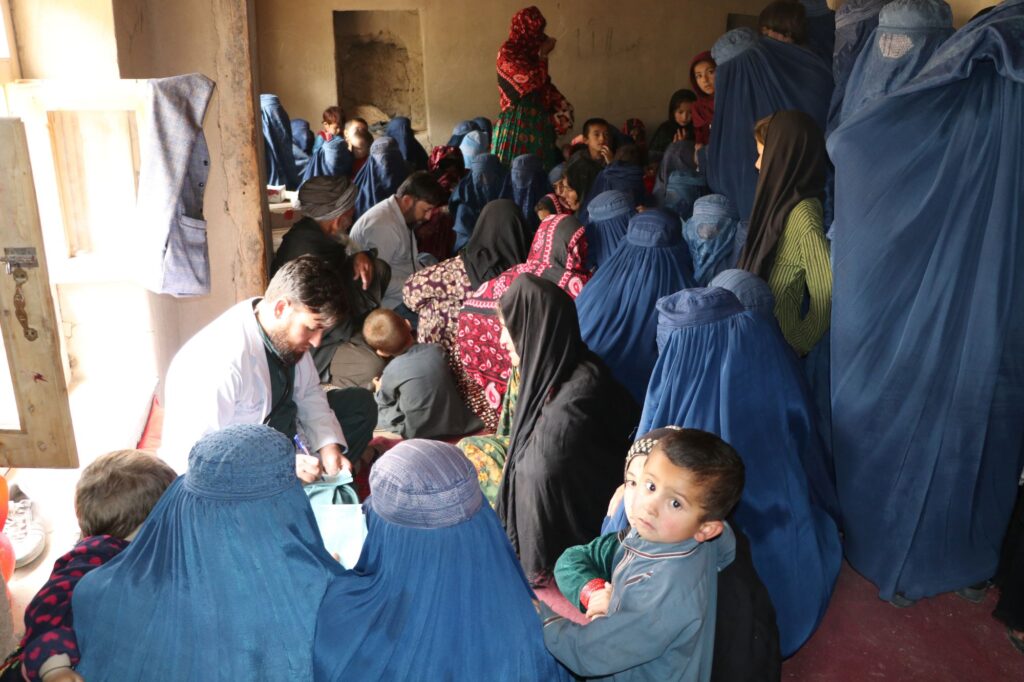
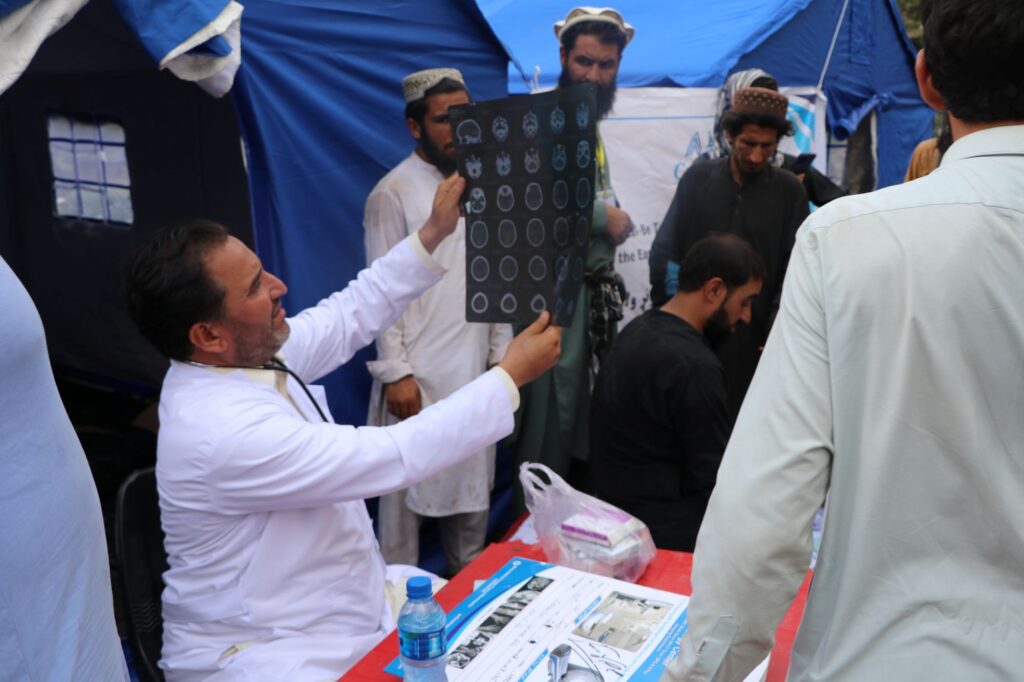
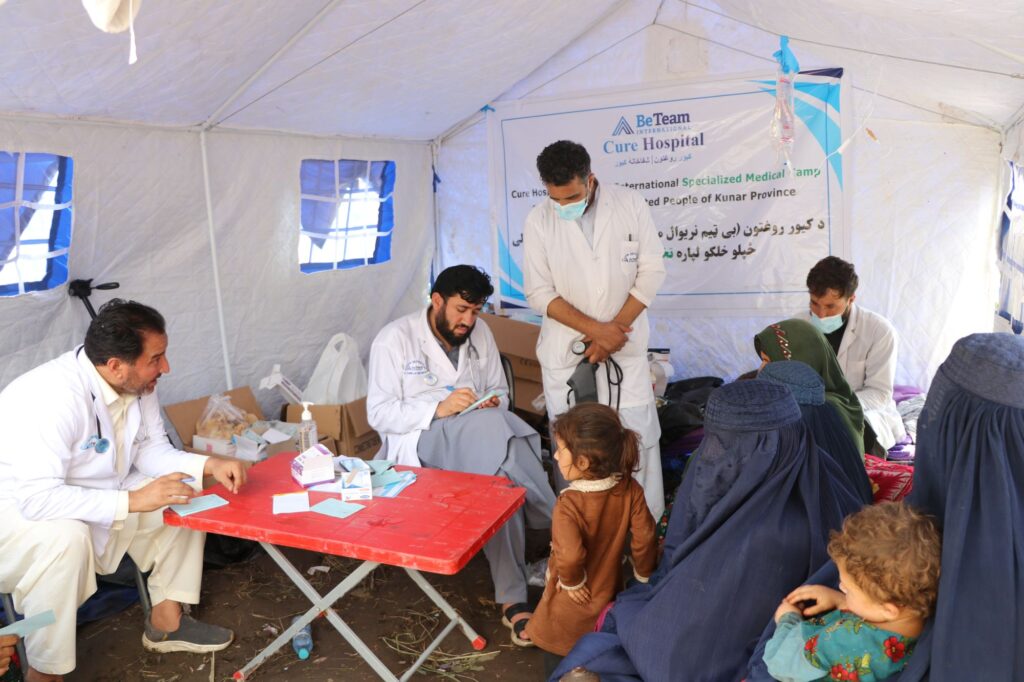
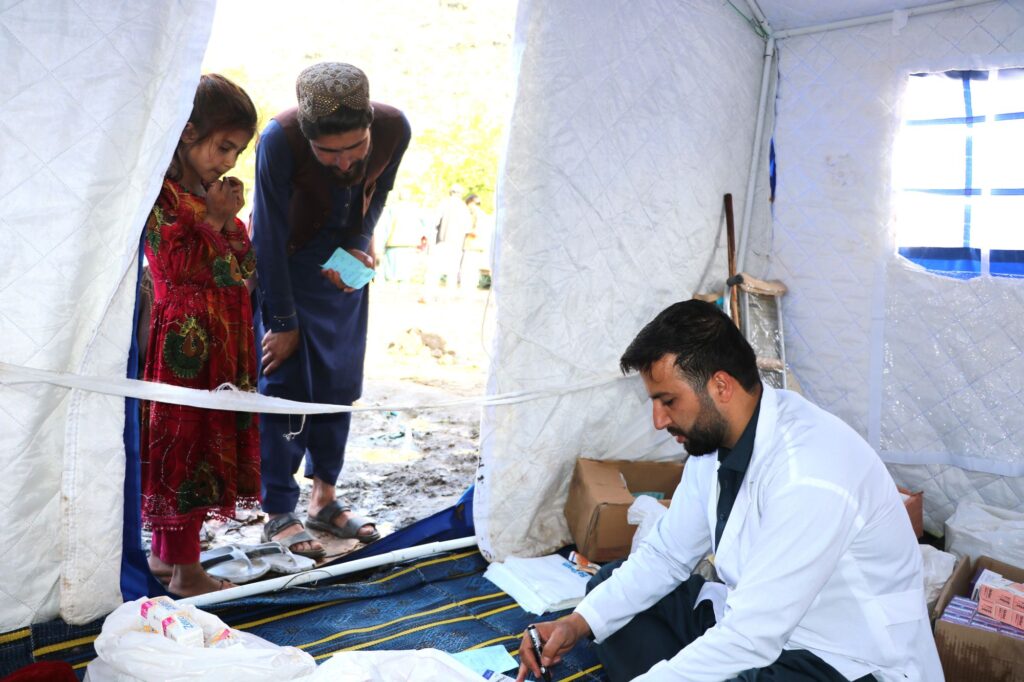
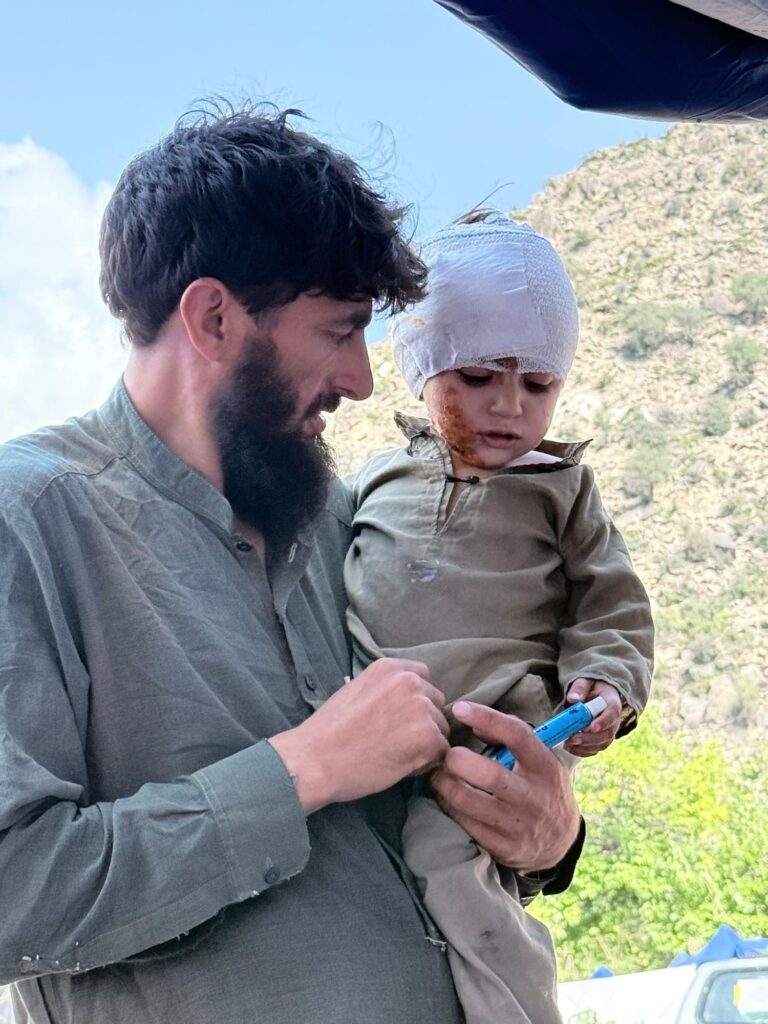
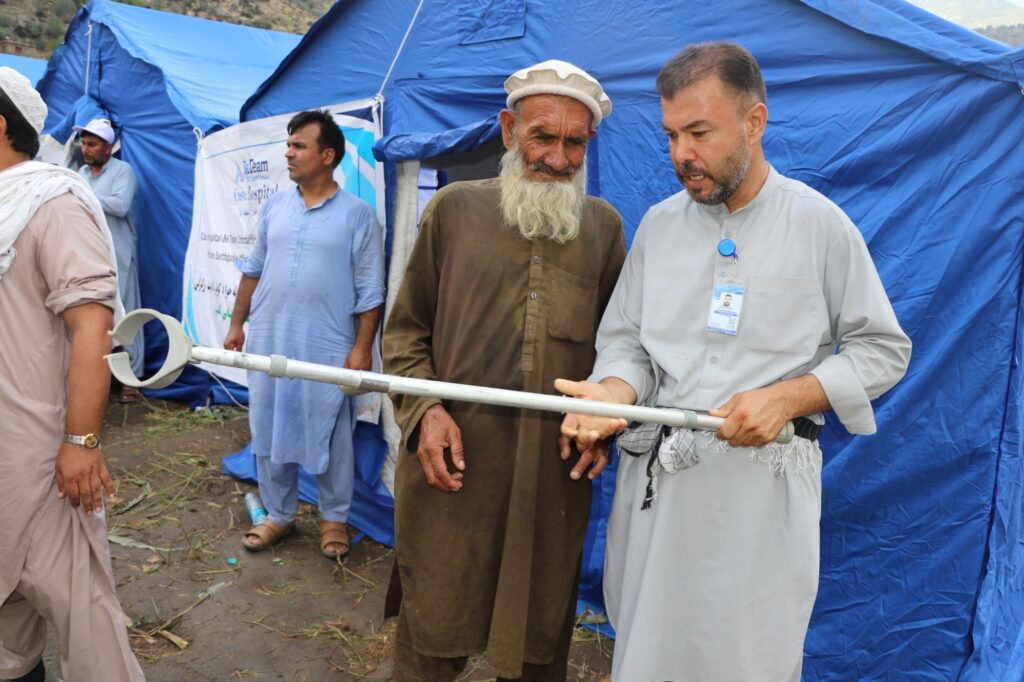
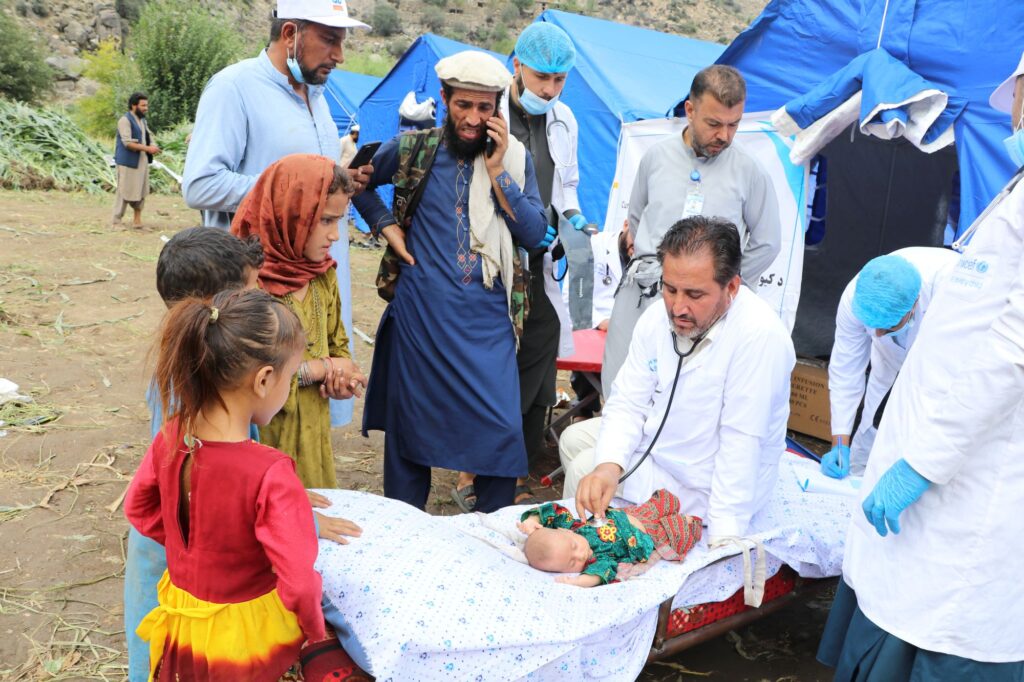
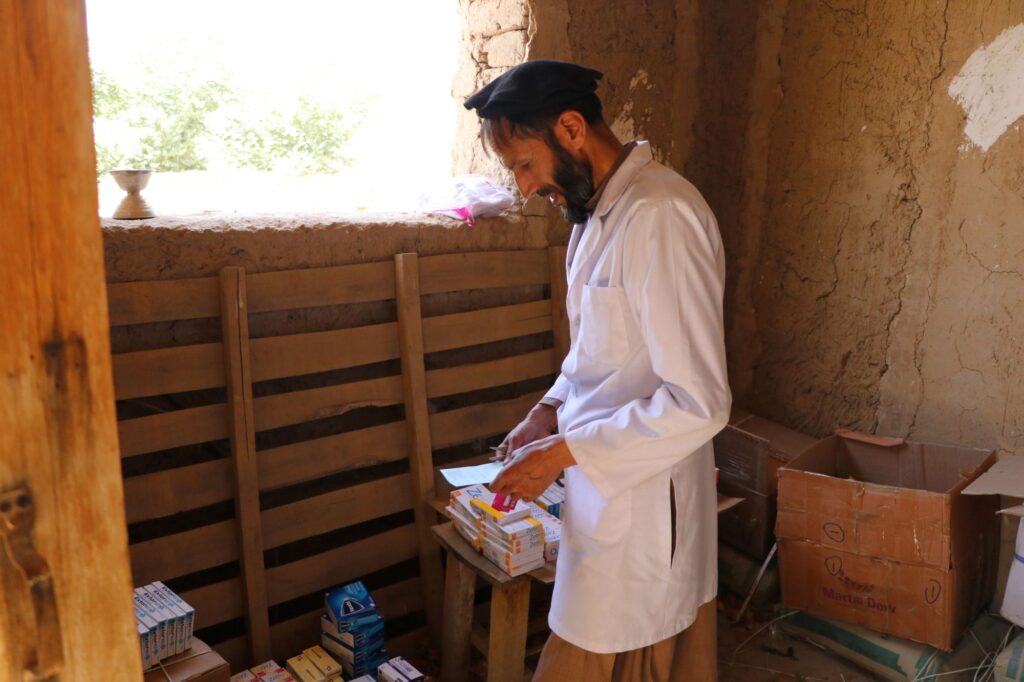
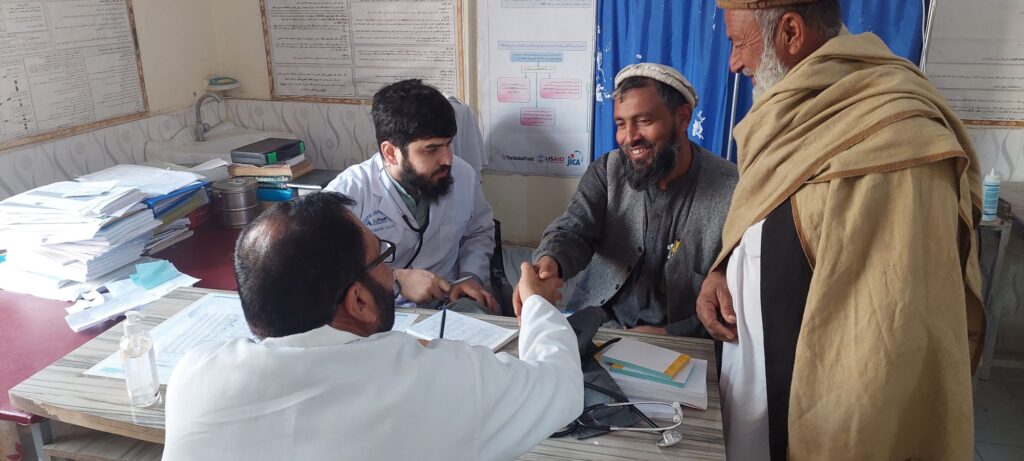
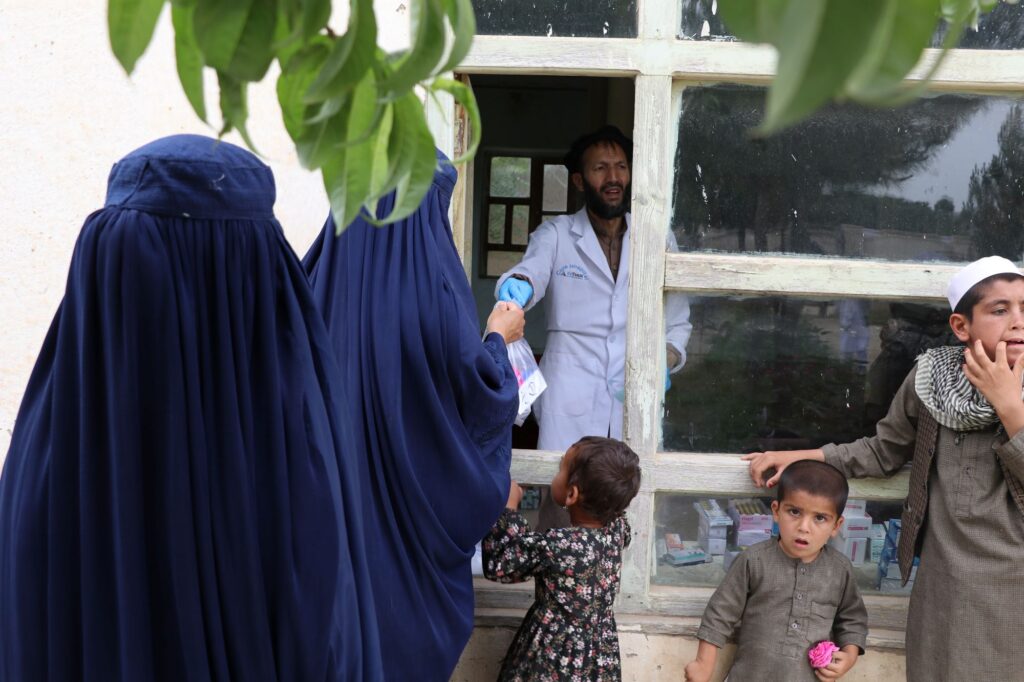
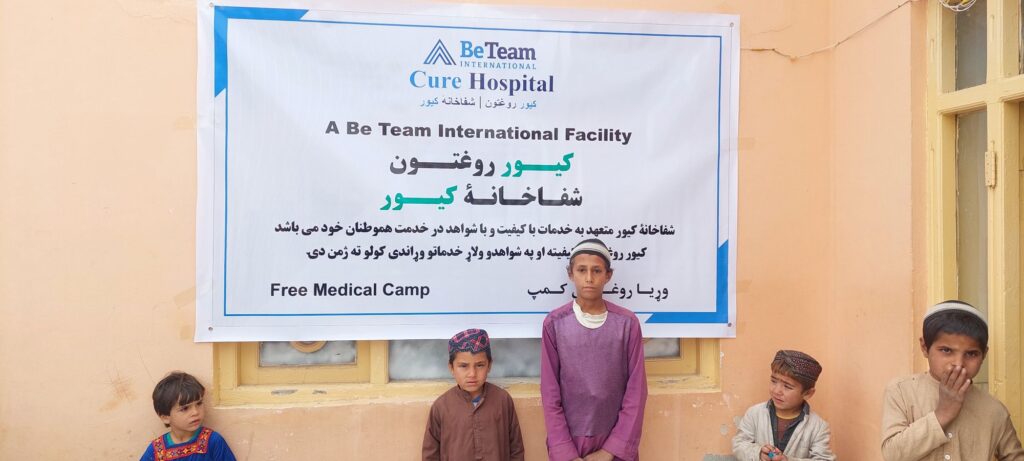
But not everyone can travel to Kabul. For those who cannot, our Afghan hospital team deploys — traveling to all 34 provinces to run free medical camps, reaching communities where a specialist has never set foot. This work extends into Afghanistan’s broader healthcare system. Today, the work includes active collaboration with government-run hospitals at every level — national, regional, provincial, and district — from turbulent cities to rural mountain villages.
These relationships exist for a clear purpose: to enable more clinicians to treat more patients and to strengthen the healthcare system as a whole, not just the work happening within BTI’s own hospital walls.
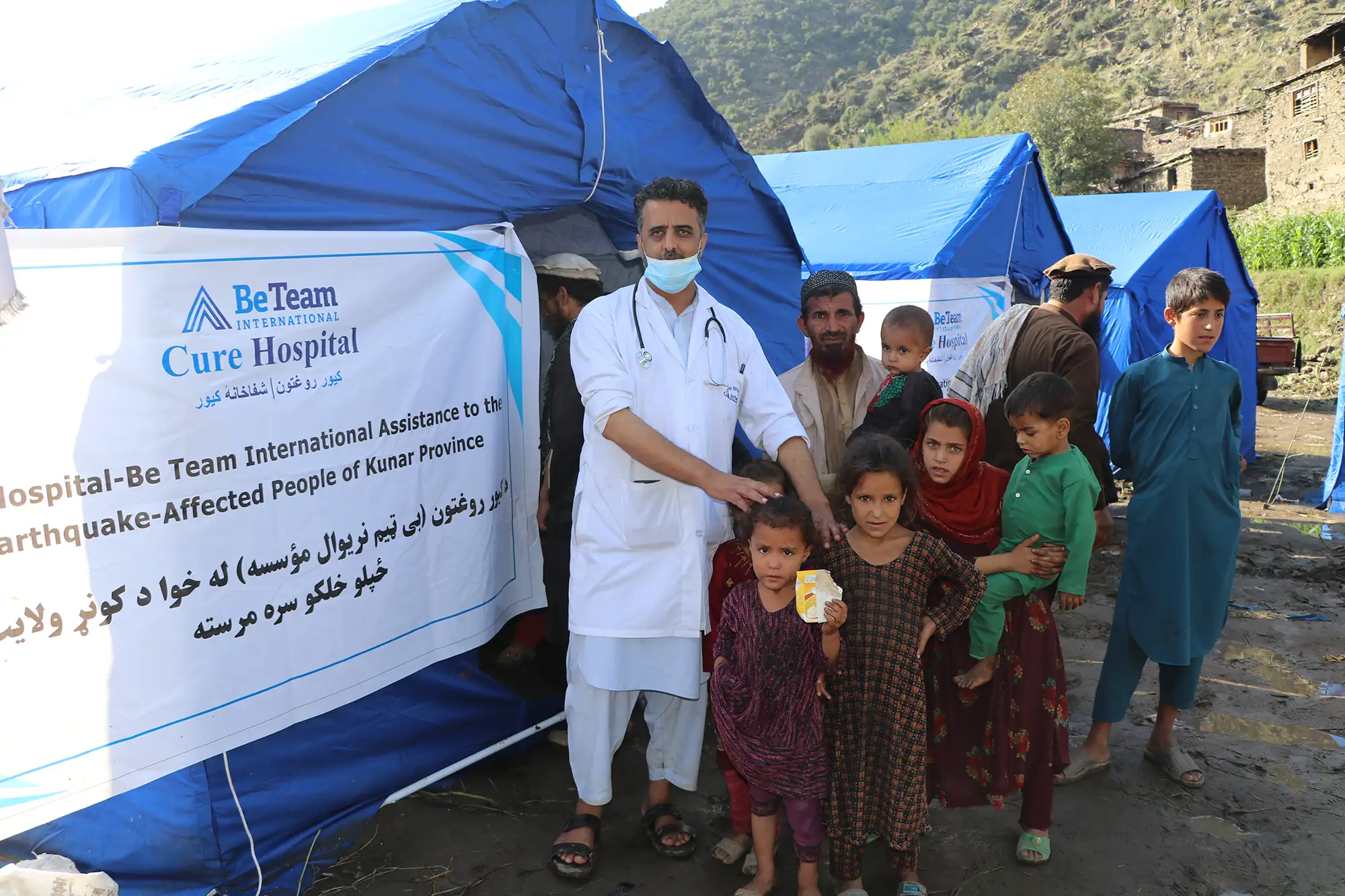
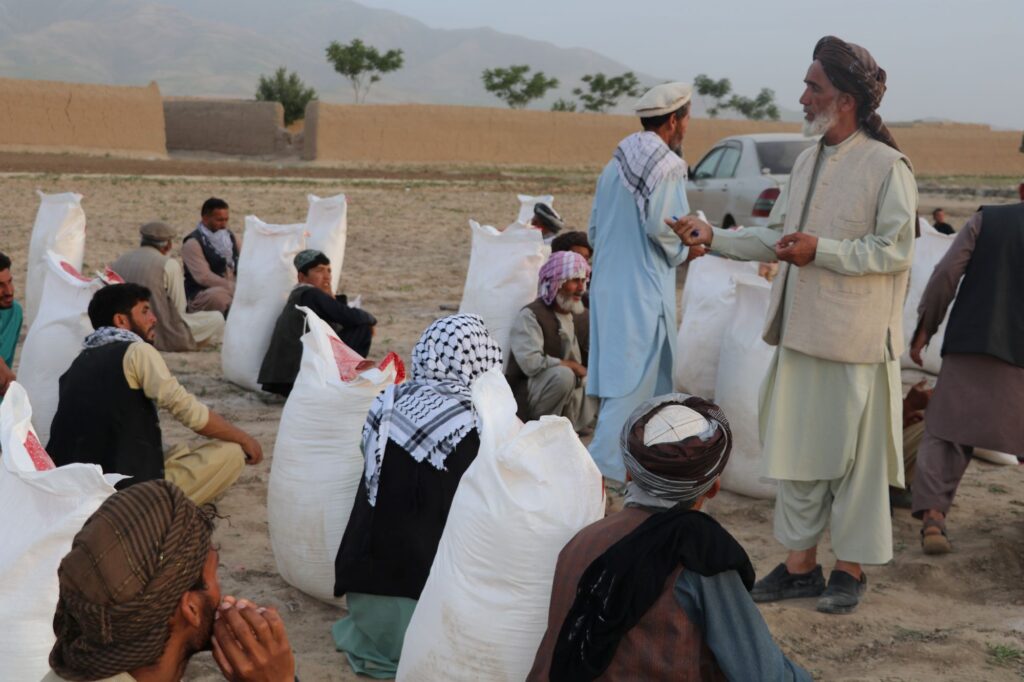
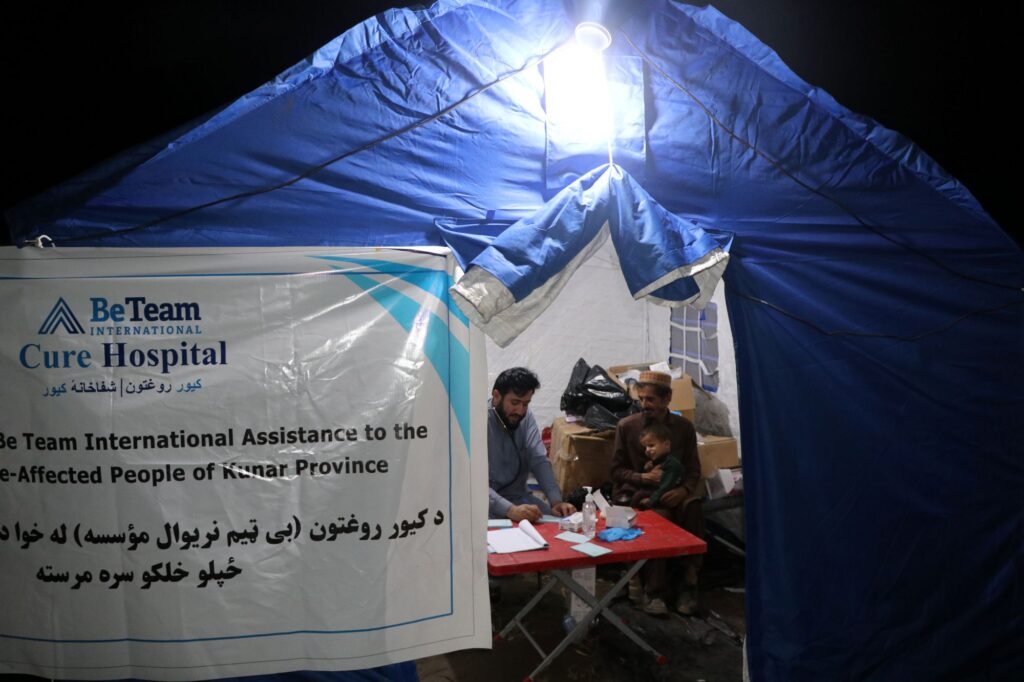
When crises strike — earthquakes, floods, disasters — the team deploys to some of Afghanistan’s most remote regions, setting up care on the ground where organized medical response is scarce and skilled clinicians are rarely present.
This is not a program with a fixed schedule. It is a team that shows up whenever and wherever it is needed.
The hospital that stays ready
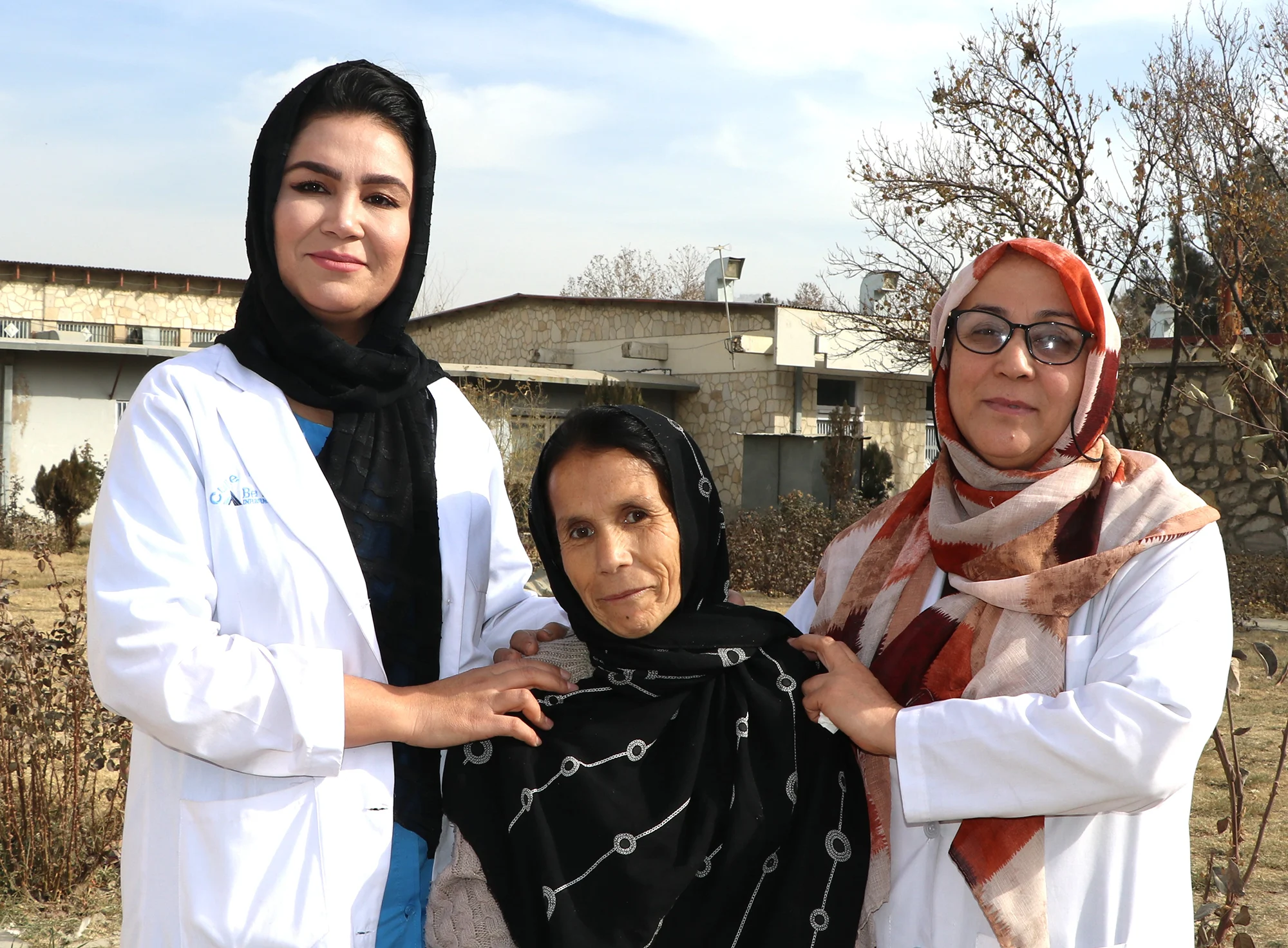
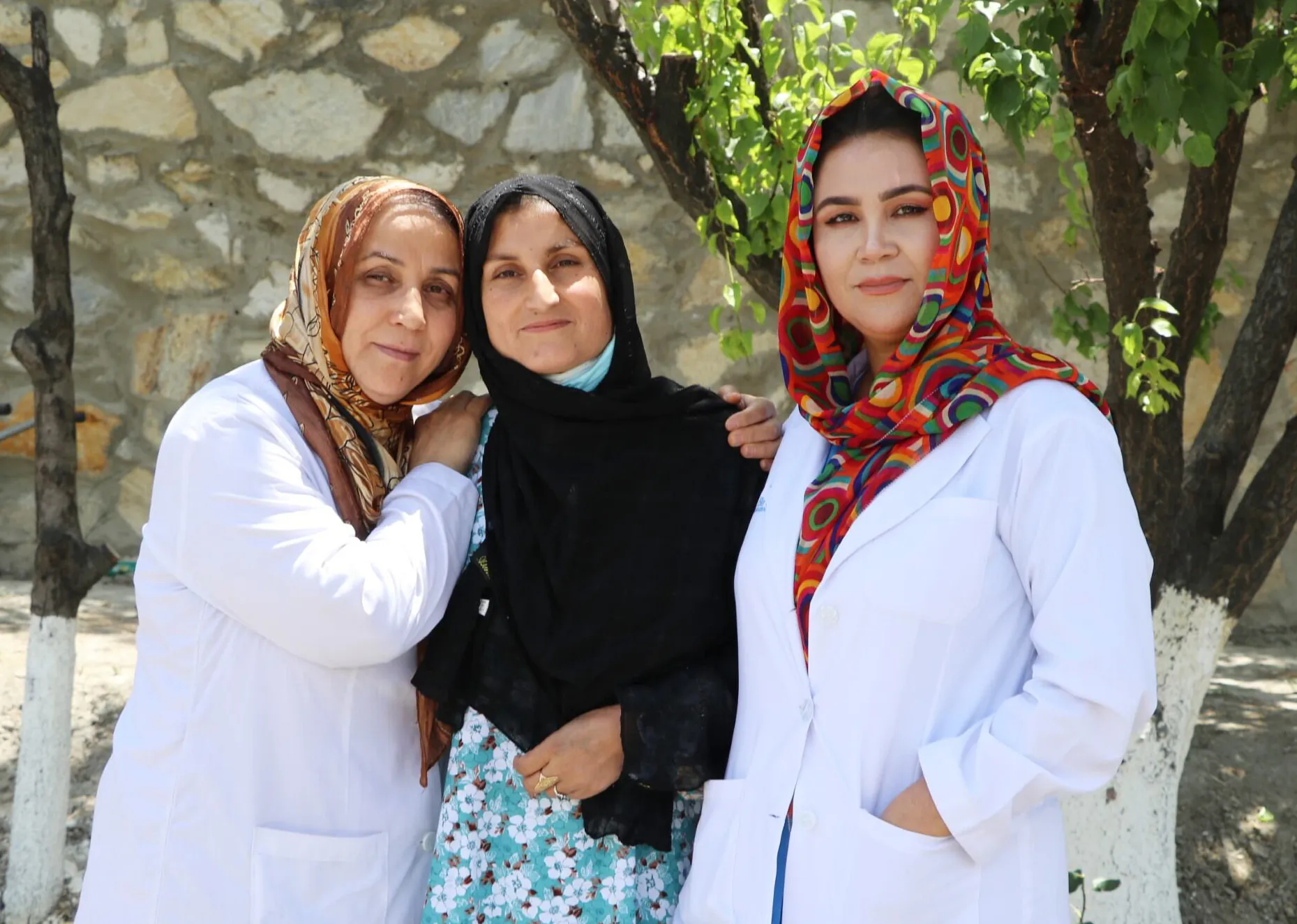
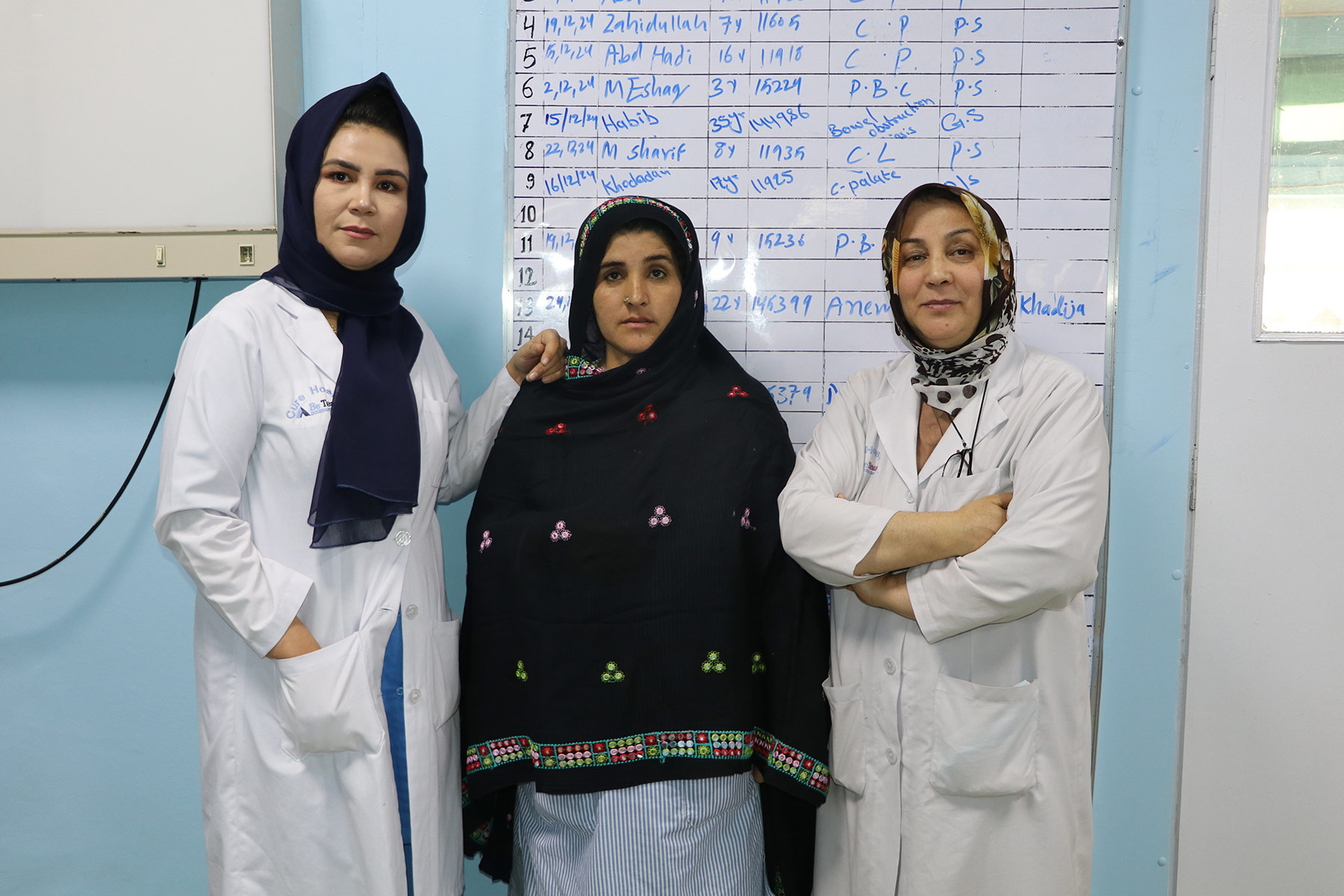
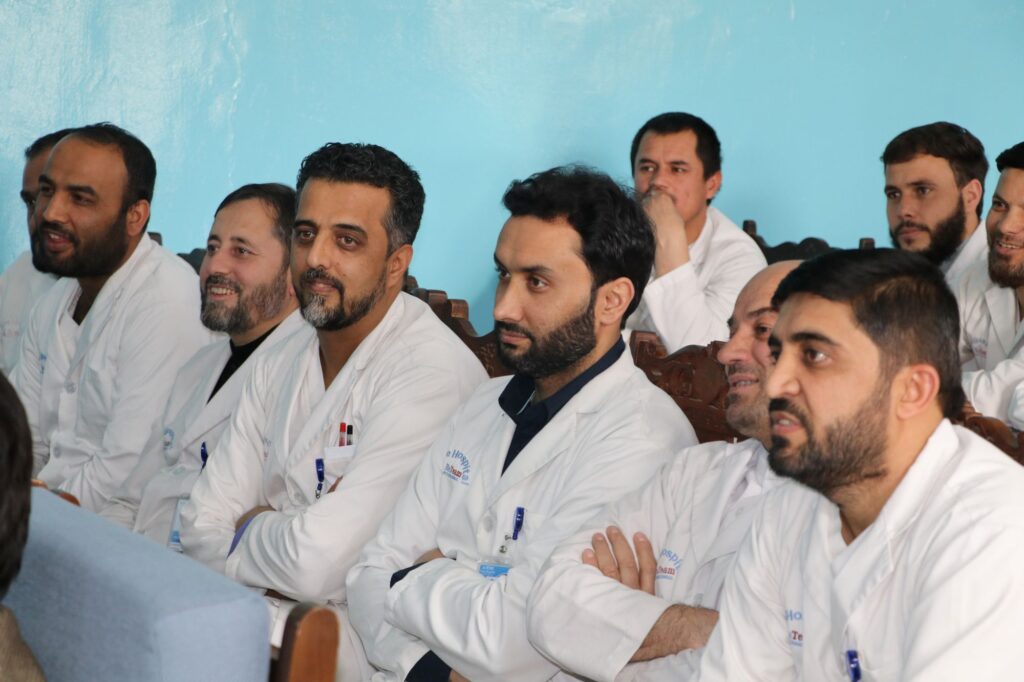
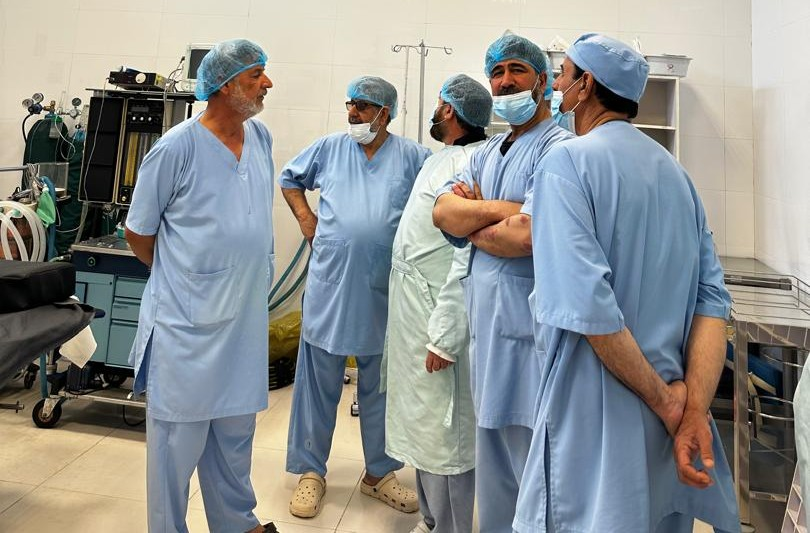
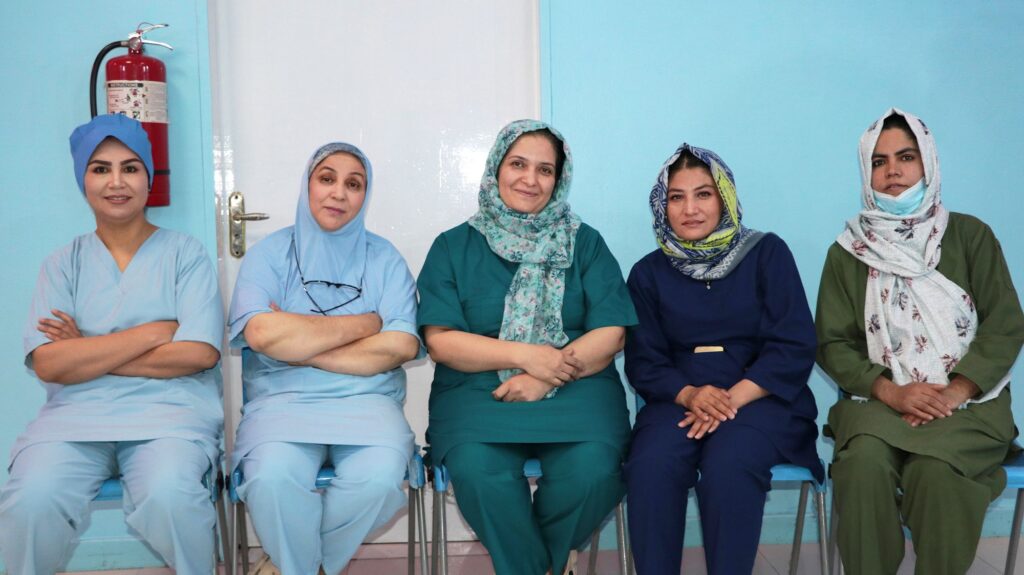
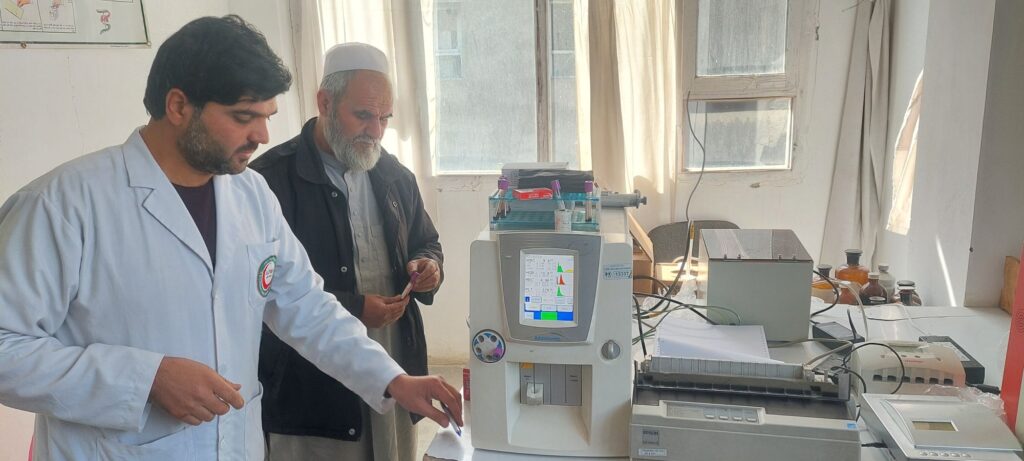
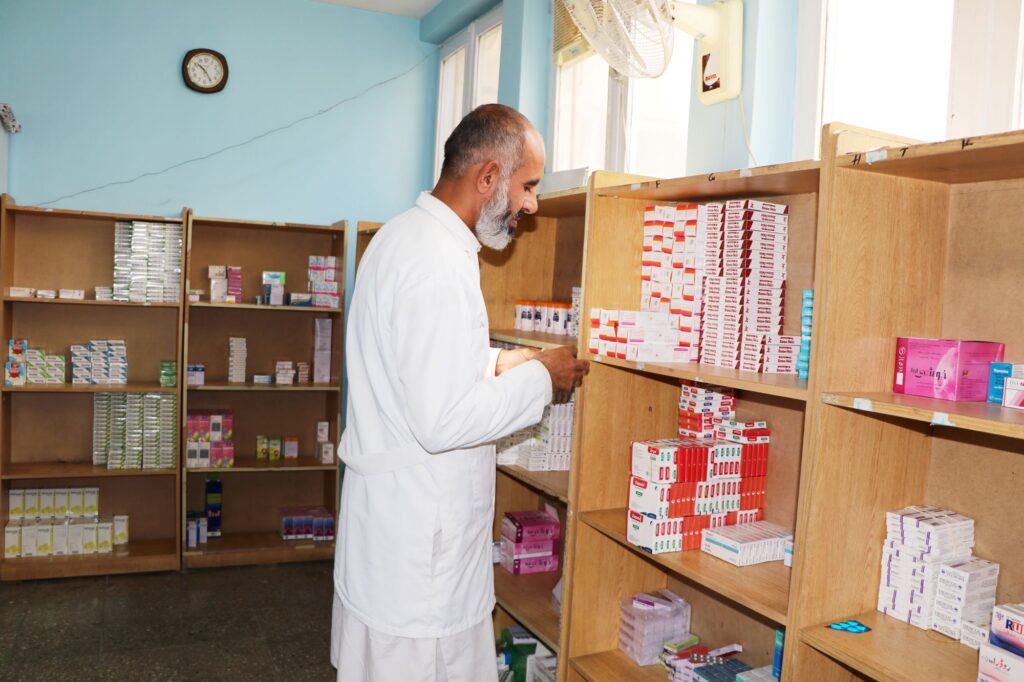
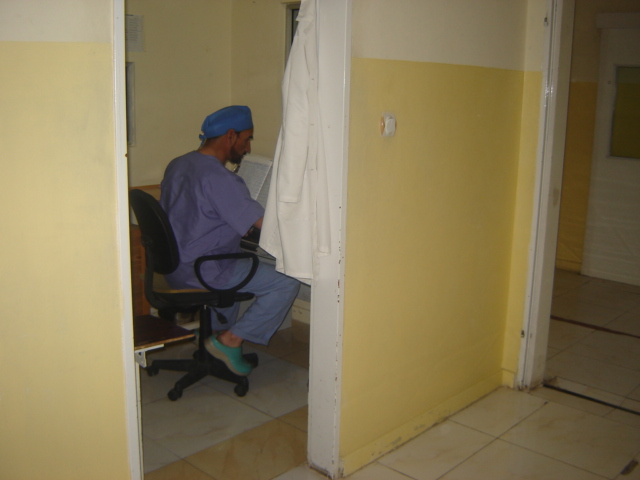
At the center of it all is the Kabul hospital — a place of healing for 21 years and counting. Patients have arrived here with conditions they have carried for years, injuries sustained in the hardest circumstances, needs that had nowhere else to go. Our Kabul hospital’s 323-member Afghan team is the reason it stays ready. Their commitment, in the face of conditions that test every assumption about what is possible, is what keeps the doors open and the operating rooms running.
Much of our most critical surgical work is possible thanks to two enduring partnerships.
Since 2009, the Fistula Foundation has funded more than 2,440 fistula surgeries at our hospital, free of charge to patients who would otherwise have no access to this care. Obstetric fistula is one of the most devastating and isolating conditions a woman can experience, and it is almost entirely preventable with skilled birth attendance. When prevention fails, surgery can restore a woman’s health and dignity. The Fistula Foundation’s generosity has reached far beyond the operating room: their grants have covered patient and family transportation, hospital infrastructure improvements, staff salaries, and a landmark training workshop that brought 70 midwives from all 34 Afghan provinces together to build awareness and prevention skills.
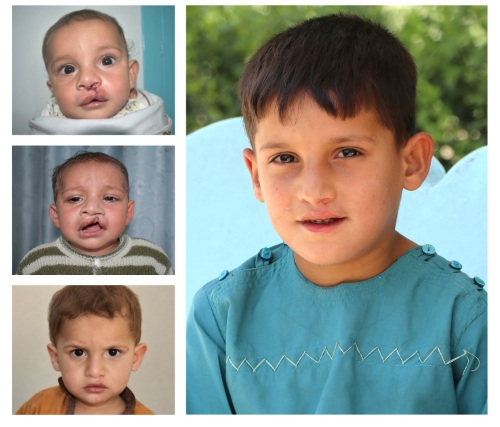
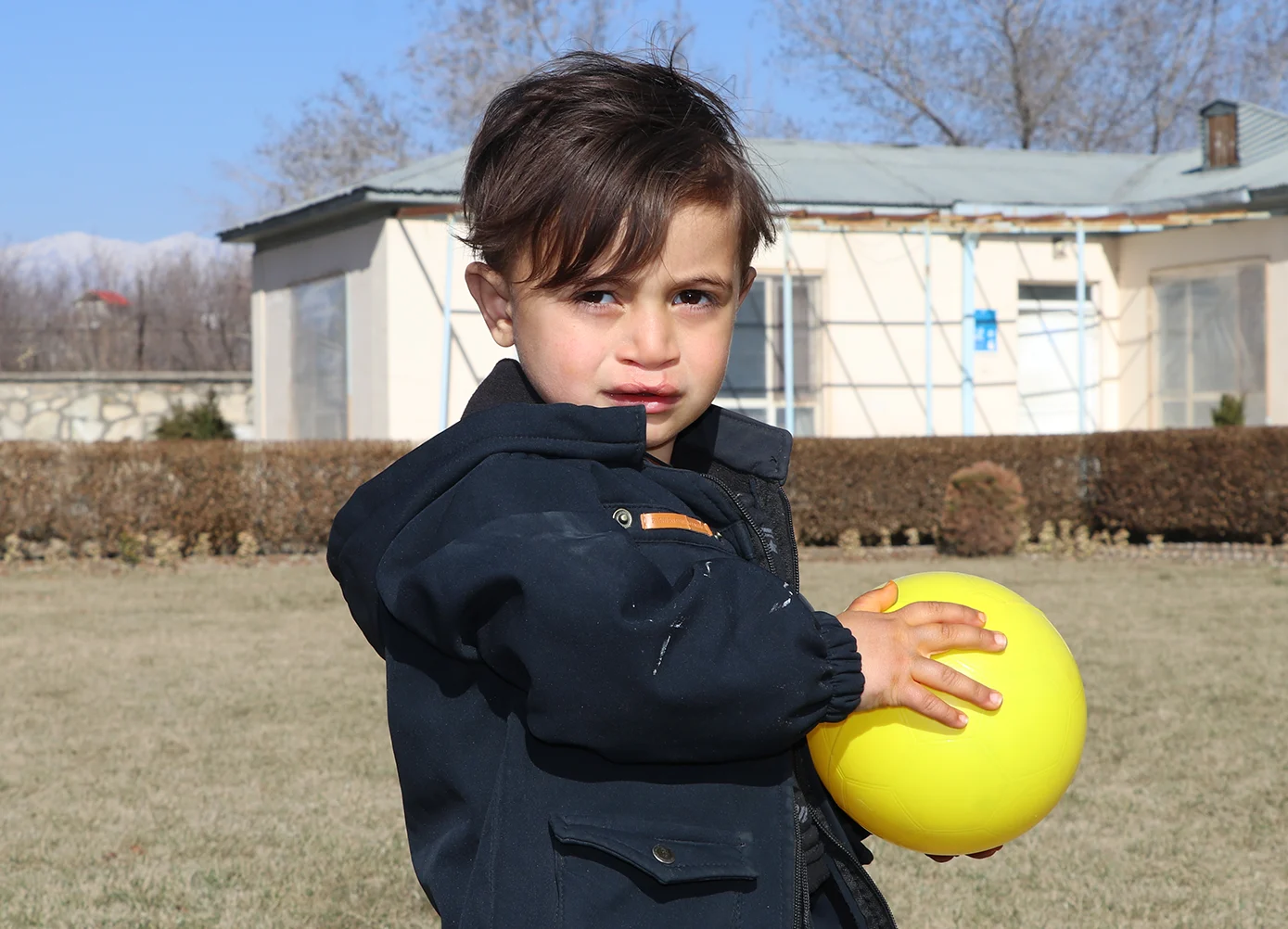
Since 2006, Smile Train has funded free cleft surgery more than 15,224 patients at our hospital. For children born with a cleft lip or palate, this surgery is life-changing — affecting their ability to eat, speak, and move through the world without stigma. Smile Train’s grants also fund the ongoing training of Afghan plastic surgeons and have supported the development of nutritional and speech therapy programs that address what surgery alone cannot fix. Year after year, their commitment has allowed this work to grow.
Neither of these programs would exist at the scale they do without our partnerships with Fistula Foundation and Smile Train. We do not take that lightly.
There is one more factor behind this volume and consistency of complex surgical work: this hospital has functioned as a teaching hospital from the start. That long-term investment in training means the Afghan surgical team is not simply performing procedures — they are building and passing on expertise. Each surgeon trained here becomes a source of knowledge for the next. That depth is what makes it possible to perform high-quality, complex surgery at scale, year after year, and to keep raising the standard of care rather than simply maintaining it. It is not a side benefit of how we work. It is a core pillar of our approach.